Water has a funny way of staying invisible until something goes wrong. Maybe the tap starts leaving white spots on every glass, the shower smells a little strange, or the coffee just doesn’t taste quite right anymore. That’s usually when people begin asking questions about their water supply. And honestly, it’s a good place to start.
The truth is, clean water isn’t something that happens by chance. Whether your home relies on a municipal connection or a private well, maintaining water quality requires understanding what’s actually flowing through the pipes. Every water source is different, which means every treatment solution should be a little different too.
Instead of searching for a single miracle product, it’s often smarter to build a system that addresses your water’s specific challenges. That approach tends to deliver better results and fewer surprises over the long run.
Understanding What’s Really in Your Water
Water may look perfectly clear, but appearances don’t tell the whole story. Minerals, dissolved metals, bacteria, and naturally occurring contaminants can all exist without changing the color or clarity of the water.
Some homeowners deal with hard water that leaves mineral buildup on fixtures. Others notice unpleasant tastes or odors. In certain regions, naturally occurring elements in groundwater require more specialized treatment before the water is considered safe for everyday use.
This is why water testing is so important. Rather than guessing, a proper analysis provides a detailed picture of what’s present and what needs attention.
Once you know the problem, finding the right solution becomes much easier.
Hard Water Is More Than Just an Annoyance
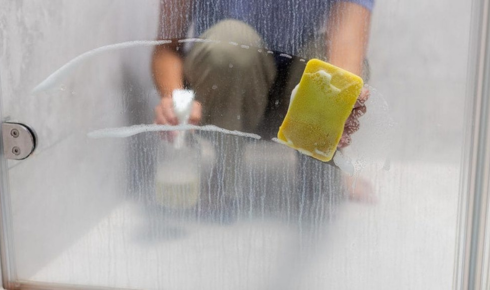
Hard water affects millions of homes, and while it isn’t usually considered dangerous, it certainly makes everyday life less convenient.
Soap doesn’t lather as well.
Dishes develop cloudy spots.
Appliances accumulate scale.
Water heaters become less efficient over time.
Even your favorite shirt can feel stiff after repeated washing.
Installing water conditioners helps reduce many of these issues by minimizing the effects of hardness minerals. While different technologies work in different ways, properly selected conditioning systems can improve plumbing efficiency, extend appliance life, and make cleaning tasks noticeably easier.
It’s one of those upgrades that people often appreciate more after they’ve lived with it for a few weeks.
Not Every Contaminant Can Be Seen
Some of the most important water quality concerns aren’t visible at all.
Groundwater in certain regions naturally contains elevated levels of metals and minerals that require specialized treatment. One example is arsenic, which can occur naturally in underground rock formations and gradually dissolve into well water.
When testing identifies elevated levels, properly designed arsenic filters provide an effective way to reduce contamination before the water reaches household taps. These systems are engineered specifically for this purpose and are often combined with additional treatment stages depending on overall water quality.
The key isn’t simply installing equipment—it’s matching the equipment to the actual contaminants present.
That distinction matters far more than many people realize.
Why One Filter Usually Isn’t Enough
It’s tempting to think a single filter can solve every water problem, but that’s rarely how treatment works in practice.
Different contaminants require different technologies.
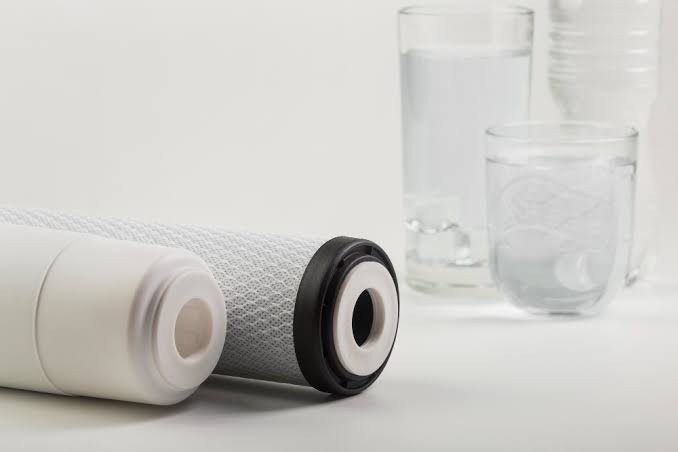
Sediment filters remove dirt and sand.
Activated carbon improves taste and odor.
Reverse osmosis reduces dissolved solids.
Ultraviolet systems target microorganisms.
Specialized media remove metals and other specific contaminants.
Each stage contributes something unique.
Rather than replacing one another, these treatment methods work together to create cleaner, safer water throughout the home or facility.
Building a Complete Treatment Strategy
Effective water treatment and filtration isn’t simply about buying equipment—it begins with understanding how each component supports the next.
For example, sediment removal protects downstream equipment from premature wear.
Carbon filtration improves water quality before advanced treatment stages.
Softening systems help prevent scale from reducing equipment efficiency.
Disinfection provides an added layer of protection against microorganisms.
When designed correctly, the entire system operates almost effortlessly. Homeowners don’t need to think about every stage every day because each component quietly performs its role in the background.
That’s really the goal of good engineering: dependable performance without constant attention.
Maintenance Is Easier Than Most People Expect
One misconception about water treatment systems is that they’re difficult to maintain.
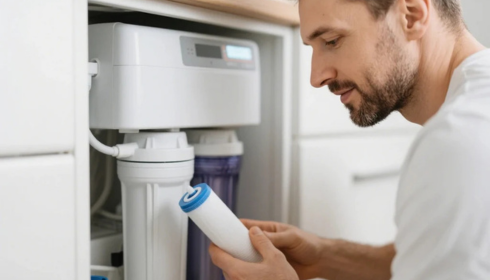
In reality, most routine maintenance involves replacing filters, checking system performance, or scheduling occasional inspections. Modern equipment is designed to simplify these tasks, and many systems even provide reminders when service is due.
Ignoring maintenance, however, often leads to declining performance long before complete failure occurs.
Flow rates decrease.
Filters become overloaded.
Treatment efficiency drops.
Small issues gradually become larger repairs.
A little preventive care goes a remarkably long way.
Better Water Benefits More Than Drinking
When people invest in water treatment, they often think about drinking water first—and understandably so.
But the benefits extend throughout the entire home.
Water heaters operate more efficiently.
Dishwashers stay cleaner.
Plumbing fixtures develop less scale.
Laundry feels softer.
Coffee and tea often taste noticeably better.
Even everyday cleaning becomes easier because soap performs more effectively with properly treated water.
Those improvements add up over the years, making quality water treatment as much about protecting a home as improving convenience.
Choosing Solutions That Fit Your Needs
There isn’t a universal treatment system that’s perfect for everyone.
A family using well water has different priorities than someone connected to a city water supply.
A restaurant may require higher capacity equipment than a residential home.
Industrial facilities often need customized treatment processes based on production requirements.
That’s why experienced professionals begin with testing rather than assumptions. Understanding the source water leads to better recommendations, lower operating costs, and more reliable long-term performance.
In many cases, the simplest solution is also the most effective because it’s tailored specifically to the conditions at hand.
Final Thoughts
Clean water isn’t the result of luck. It’s the outcome of thoughtful planning, accurate testing, and selecting treatment solutions that work together instead of independently.
Whether the challenge is hard water, naturally occurring contaminants, or improving everyday water quality, modern treatment technology offers reliable solutions for nearly every situation. The important part is resisting the temptation to guess and instead building a system around real water conditions.
When that happens, the rewards go far beyond cleaner drinking water. Appliances last longer, plumbing stays healthier, maintenance becomes easier, and daily life simply feels a little more comfortable. In the end, investing in better water is really an investment in the home, the people who live there, and the confidence that every glass, every shower, and every faucet delivers the quality you expect.