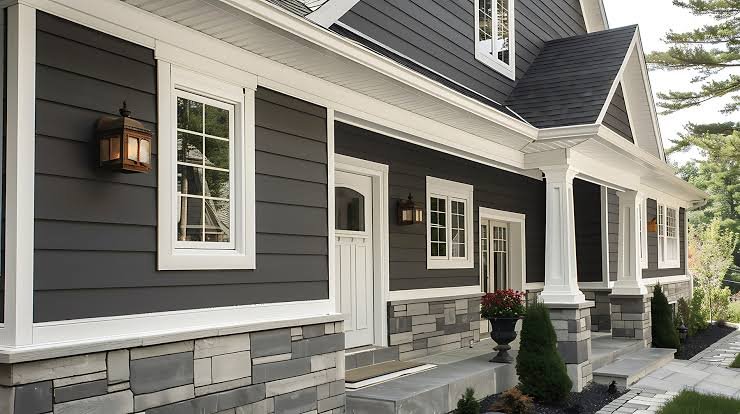
Your home’s exterior does more than make the place look good. It stands between your family and rain, wind, heat, cold, insects, and all the little weather-related annoyances that show up over the years. When siding starts to crack or gutters overflow, the problem isn’t always cosmetic. Small exterior issues can turn into expensive repairs if they’re ignored for too long.
That’s why exterior maintenance is really about protection first and appearance second. Whether you’re building a new home or updating an older one, understanding how siding, gutters, and related repairs work together can save you money and plenty of headaches later.
Start With the Siding
Siding is one of the largest visible parts of a home’s exterior, so naturally homeowners pay attention to its color and style. But durability should be just as important. The right siding needs to handle the climate where you live while fitting your maintenance expectations and budget.
Fiber cement siding has become a popular option because it combines a traditional appearance with strong resistance to many common exterior problems. James Hardie fiber cement siding is one example that homeowners often consider when they want a durable material with a range of design choices.
Of course, no siding is completely maintenance-free. Even tough materials need occasional inspection. Look for damaged boards, loose sections, peeling paint, gaps around windows, or areas where moisture seems to be collecting. Catching these issues early is much easier than repairing widespread water damage.
Why Installation Matters More Than You Think
Good materials can still perform poorly when installation is rushed. Siding needs to be properly aligned, secured, and detailed around doors, windows, corners, and other openings. Water that finds its way behind incorrectly installed siding can cause trouble that isn’t immediately visible from outside.
This is why choosing an experienced contractor matters. Don’t be shy about asking how long they’ve been installing the particular material you want. Ask about warranties, preparation work, ventilation, flashing, and how they handle unexpected damage underneath old siding.
A professional who explains the process clearly is usually a better sign than someone who simply promises the lowest price.
Gutters Are Part of the Same System
It’s easy to think of gutters as an optional finishing touch. They aren’t. Gutters direct rainwater away from your roofline and foundation, helping prevent water from pooling where it shouldn’t.
Proper gutter installation includes more than simply attaching long metal or vinyl channels to the edge of a roof. The system needs appropriate slope, secure hangers, properly positioned downspouts, and outlets capable of handling the expected amount of water.
If you notice water pouring over the sides during heavy rain, don’t automatically assume the gutters just need cleaning. They could be undersized, poorly pitched, blocked, or missing downspouts in key locations.
Watch What Happens After a Storm
Storms are a good reminder that exterior maintenance isn’t something you can completely put on autopilot. After strong wind, hail, heavy rain, or falling branches, walk around the property when it’s safe to do so.
Check for dents, cracks, missing siding, loose gutters, damaged flashing, and exposed areas around the roof. You don’t necessarily need to climb onto the roof. In fact, unless you’re trained and properly equipped, it’s safer to inspect from the ground and call a professional when something looks suspicious.
Take photographs of visible damage as well. Good documentation can be useful when discussing repairs with a contractor or insurance provider.
Understanding Insurance and Exterior Damage
Storm damage can sometimes involve homeowners insurance, but coverage depends on your policy, the cause of damage, exclusions, deductibles, and other details. It’s important not to assume every damaged exterior component will automatically be covered.
When dealing with insurance claims, keep records of the damage, photographs, repair estimates, invoices, and communications related to the incident. Don’t throw away damaged materials before documenting them unless they create an immediate safety hazard.
It can also be helpful to review your policy before storm season arrives. Knowing your deductible and understanding major exclusions when everything is calm is much easier than trying to figure it out while you’re staring at a damaged roof after a storm.
Don’t Let Small Water Problems Become Big Ones
Water is persistent. A tiny gutter leak or small gap around siding may not seem urgent in spring, but repeated exposure can gradually affect wood, insulation, trim, and other components behind the exterior.
Pay attention to staining around windows, damp spots, peeling interior paint, musty odors, and unusually soft exterior materials. These signs don’t always mean there’s major damage, but they deserve investigation.
Good drainage around the home matters, too. Downspouts should direct water away from the foundation rather than dumping it directly beside the house. Sometimes a surprisingly simple adjustment can prevent a much larger repair.
Maintenance Doesn’t Have to Be Complicated
You don’t need a giant home-maintenance spreadsheet to keep an exterior in reasonable condition. A seasonal walkaround can accomplish a lot.
In spring, inspect the siding and gutters for winter damage. Before heavy summer storms, make sure gutters and downspouts are clear. In autumn, remove leaves and debris before they create blockages. After major storms, inspect the property again.
While you’re outside, look at caulking around windows and doors, exterior vents, trim, and areas where different materials meet. These small details are easy to overlook, but they’re often where moisture begins to sneak in.
Choose Repairs Based on the Real Problem
One common mistake is treating only what looks bad. For example, replacing a stained section of siding without investigating why it became stained may leave the underlying moisture problem untouched.
The same applies to gutters. Replacing a short damaged section might work, but if the entire system has poor drainage or inadequate capacity, the problem will simply return.
Before spending money, ask a simple question: Why did this happen? A good contractor should be able to explain the likely cause and offer a repair that addresses more than the visible symptom.
Think Long-Term, Not Just About Today’s Exterior
Home improvement decisions are easier when you think beyond the next few months. Durable siding, correctly installed gutters, quality flashing, and routine inspections can work together to protect the building envelope for years.
That doesn’t mean you need to replace everything at once. Sometimes the smartest approach is gradual: fix active water problems first, repair damaged areas, improve drainage, and then plan larger cosmetic upgrades when the budget allows.
A beautiful exterior is nice. A beautiful exterior that keeps water where it belongs is much better.
The Real Goal Is a Home That Holds Up
Siding, gutters, and exterior repairs might not be the most exciting parts of homeownership. Nobody wakes up thrilled about checking downspouts on a Saturday morning. Still, these systems quietly do important work every day.
Choose materials that suit your climate, insist on careful installation, inspect the exterior regularly, and don’t ignore small warning signs. If a storm causes damage, document everything and understand your insurance responsibilities before beginning major repairs.
In the end, good exterior maintenance isn’t about chasing perfection. It’s about staying ahead of problems. A little attention now can keep moisture, repair bills, and unnecessary stress from becoming much bigger issues later.