

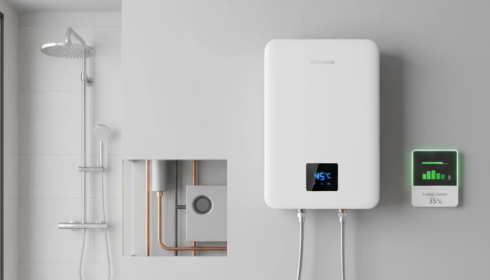
There’s something wildly underrated about turning on a faucet and getting hot water—immediately. No waiting, no cold surprise halfway through your shower. That’s the beauty of tankless water heaters. But here’s the kicker: even the sleekest tech needs a little love to keep working its magic. If you’ve invested in one, or you’re considering it, understanding the importance of tankless system maintenance is what separates “just fine” from “running like a dream.”
The Allure of Tankless: Set It and Forget It?
Tankless water heaters often come with the reputation of being “maintenance-free.” That’s not entirely off-base—they’re lower maintenance than traditional tanks—but “low” doesn’t mean “none.” These systems can last 20 years or more, but only if you treat them right.
Think of them like a car. Sure, they’re built for efficiency and performance, but you’d never go five years without an oil change, right?
Minerals, Sediment, and the Silent Saboteurs
One of the biggest threats to any water heater is hard water. It brings minerals—mostly calcium and magnesium—that love to cling to the inner workings of your heater. Over time, this buildup restricts flow, slows heating, and causes unnecessary strain on the system.
Routine flushing and descaling? Yeah, those boring-sounding chores? They’re what keep your heater humming and your showers steaming.
Even if you’re in a “soft water” area, annual maintenance is your best bet. It’s not about reacting to problems—it’s about preventing them.
Efficiency Starts With Clean Components
Now let’s talk dollars. Everyone wants to reduce energy bills, but most folks overlook their water heater as a major source of inefficiency. A neglected unit works harder to do the same job. It takes longer to heat water, and in extreme cases, might short-cycle or overheat.
A simple maintenance routine can keep energy use low and consistent. Less power draw, less stress on the system, and yep—lower monthly bills. Not bad for a couple of hours of upkeep once a year.
Filter Changes: A Little Thing That Matters a Lot
Many tankless models have inlet filters to trap debris before it enters the system. When was the last time yours was cleaned or replaced?
Ignoring this small part can cause flow issues, reduce performance, and lead to expensive repairs down the line. Checking it monthly—or at least quarterly—is a tiny task with a big payoff.
Keep the Instant Magic Alive
Let’s be honest—part of the appeal of tankless units is instant hot water. You turn on the tap, and boom—comfort. But when sediment builds up, heat exchangers can’t do their job efficiently. You might start noticing lukewarm water, or delays in heating that feel a bit… off.
If you’re waiting longer for hot water or noticing inconsistent temps, it’s probably time for maintenance. Don’t wait until your morning shower turns into a cold-water wake-up call.
Gas vs. Electric: Maintenance Needs Differ
Not all tankless units are created equal. Gas models typically need more attention—mainly because they involve combustion, ventilation, and gas lines. These should be inspected yearly by a pro, especially to check for any carbon monoxide risks or ventilation issues.
Electric systems are a bit simpler, but they’re still not immune to mineral buildup or flow problems. Regardless of type, regular upkeep keeps things running safer and smoother.
The Smart Homeowner’s Checklist
If you’re the DIY type, here’s a simple yearly maintenance list:
- Flush the system to remove scale (use a descaling kit or hire a pro).
- Clean or replace the inlet water filter.
- Inspect (and clean) air intake screens.
- Check for error codes or unusual sounds.
- If gas-powered, inspect the burner and venting.
Feeling overwhelmed? Don’t sweat it. Most plumbing companies offer maintenance packages specifically for tankless systems—and they’re often way more affordable than emergency repairs.
When to Call the Pros
Some stuff is better left to trained eyes. If you’re dealing with inconsistent water temps, rumbling noises, or any kind of system error messages, call in an expert. Even if everything seems fine, it’s smart to schedule a professional inspection once a year.
A quick service visit can reveal hidden problems before they turn into budget-busting breakdowns. And it gives you peace of mind that your system is safe, optimized, and under control.
Don’t Let “Out of Sight” Become “Out of Mind”
Here’s the thing with tankless heaters: they’re often tucked away—on a wall in a utility room, basement, or garage. It’s easy to forget they even exist. But ignoring them doesn’t make problems go away. Quite the opposite.
With just a little TLC, these units can outlast and outperform almost any other home appliance. But skip the maintenance, and you’ll be shopping for a new unit way earlier than necessary.
The Bottom Line
If you love convenience, comfort, and saving money, staying on top of tankless system maintenance isn’t optional—it’s essential.
It’s the key to unlocking consistent instant hot water, lowering monthly costs, and stretching your investment for decades. And in a world where energy prices keep creeping up, doing whatever you can to reduce energy bills just makes good sense.