Water touches nearly every part of daily life. We drink it, cook with it, wash our hands, take showers, and use it to clean the kitchen after a long day. Most of the time, we don’t give it much thought. That changes when the water develops an odd smell, leaves marks on bathroom fixtures, or seems to affect the taste of tea and coffee. Suddenly, something as ordinary as turning on a tap raises questions.
Improving household water quality doesn’t necessarily mean installing expensive equipment or replacing every pipe in the house. It starts with understanding what is in your water and deciding which concerns need attention. From there, choosing the right filtration method becomes much easier—and usually more cost-effective.
Look Beyond What You Can See
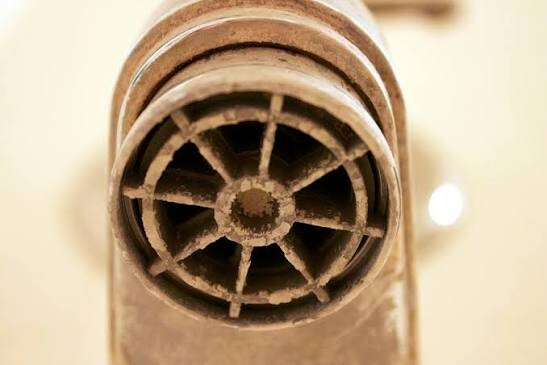
Clear water isn’t automatically free from unwanted substances. Some water quality issues are visible, such as rust-colored particles or cloudy water, while others affect taste, odor, or chemical composition without changing the water’s appearance. The source matters, too. Municipal supplies are treated before distribution, but water can pick up particles from plumbing along the way. Private wells may be affected by local soil, rock formations, agricultural activity, or nearby environmental conditions.
If you notice a sudden change in your tap water, don’t rely on appearance alone to judge whether it’s safe. Contact your water supplier if you’re connected to a public system, or arrange appropriate testing if you use a private well. A water quality report or laboratory test can help identify the issue and guide your next steps.
Testing also prevents a common mistake: buying a filtration product simply because it sounds impressive. Different systems are designed for different purposes. A filter that improves taste may not reduce every contaminant, and a system intended for sediment won’t necessarily address dissolved chemicals.
When Treating Water Throughout the House Makes Sense
For some households, the concern isn’t limited to the kitchen tap. Water may carry an unpleasant odor into the bathroom, leave residue on fixtures, or contain particles that appear at several taps. In these situations, whole-home water filtration may be worth considering.
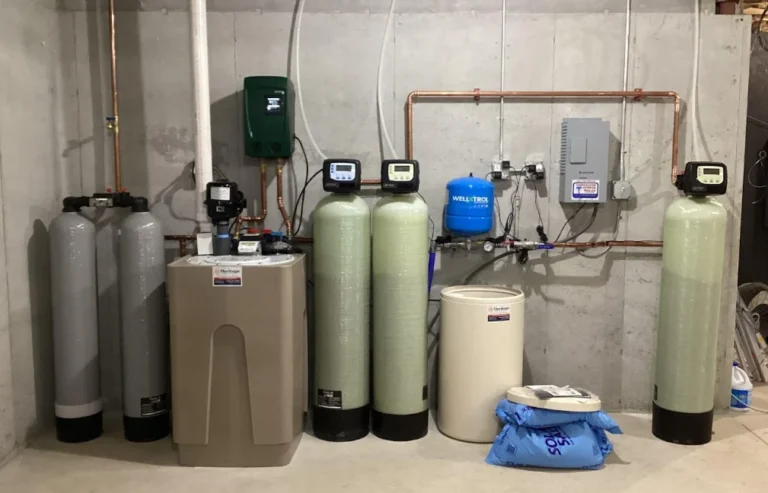
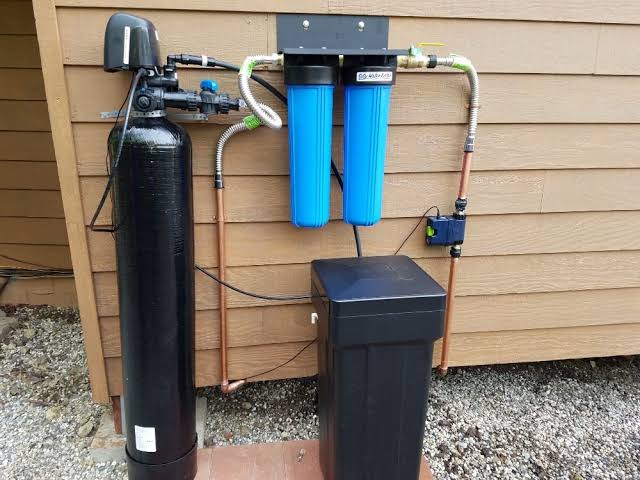
A whole-home system is usually installed where the main water line enters the property. That means water can be treated before it reaches showers, laundry equipment, kitchen faucets, and other outlets. The actual benefit depends on the equipment selected and the quality issue being addressed. Some systems are designed to reduce chlorine taste and odor, while others target sediment or particular substances identified through testing.
There are practical details to think about before choosing one. The system needs to accommodate the household’s flow rate, especially when more than one shower or water appliance may be running at the same time. A unit that’s too small can restrict water flow, while a poorly matched system may not provide the intended treatment. You’ll also need enough room for installation and future filter changes.
A whole-home setup isn’t automatically necessary for every house. If the main concern is the taste of drinking water, a point-of-use filter may be sufficient. The right decision comes down to the problem, not the size of the equipment.
The Role of Activated Carbon
Taste and odor are among the most noticeable reasons people explore water filtration. Chlorine, commonly used to disinfect public water supplies, can leave a swimming-pool-like smell or flavor that some households find unpleasant. Certain organic compounds can also affect water’s taste and odor, depending on the source and treatment process.
Activated carbon filtration is widely used to address these concerns. Activated carbon has a highly porous structure that provides a large surface area for adsorption, allowing it to capture certain substances as water passes through. The effectiveness depends on the carbon type, contact time, filter design, and the specific contaminant involved.
Carbon filters come in several forms, including cartridges used beneath sinks and larger units installed on a home’s incoming water line. They aren’t all interchangeable. One model may be certified to reduce chlorine taste and odor, while another may be tested for a different group of contaminants. Check the manufacturer’s performance data and relevant independent certifications before purchasing.
Maintenance is part of the equation. Over time, the carbon’s capacity becomes exhausted, and a cartridge that’s left in service too long may no longer perform as intended. Follow the replacement schedule and pay attention to any changes in taste, odor, or water flow. A filtration system only delivers lasting value when it’s cared for properly.
Why Sediment Shouldn’t Be Ignored
Sand, silt, rust particles, and other suspended material can enter household water from wells, distribution lines, or plumbing. Sometimes the problem appears after construction or maintenance work nearby. In other cases, a private well may naturally contain fine particles that become more noticeable during periods of heavy water use.
Sediment filtration systems are designed to capture suspended particles before they travel further into the plumbing or reach other treatment equipment. Depending on the model, they may use a screen, pleated cartridge, spun filter, or another physical barrier. Filter ratings indicate the particle sizes a product is designed to capture, although actual performance varies by design and operating conditions.
A sediment filter can help protect downstream equipment and reduce visible particles, but it has clear limitations. It generally doesn’t remove dissolved minerals, disinfect water, or address every chemical contaminant. If the water contains bacteria or other health-related contaminants, additional treatment may be required based on proper testing and professional guidance.
The filter also needs regular attention. When it becomes clogged, water pressure may drop, and the system may struggle to deliver the expected flow. Checking the filter according to the manufacturer’s instructions can help you spot problems before they become inconvenient.
Choosing a System Without Overcomplicating Things
It can be tempting to choose a filtration unit with the most stages, the biggest housing, or the longest list of advertised benefits. But more components don’t necessarily mean better results. A simpler system designed for a known problem can be more useful than a complex one that doesn’t match the water supply.
Start by listing the concerns you want to address. Is the issue an unpleasant taste? Visible sediment? A specific contaminant shown in a water test? Do you want to treat water at one faucet or throughout the property? These questions help narrow the options and make it easier to compare products fairly.
Next, consider ongoing expenses. Replacement cartridges, professional servicing, installation, and water usage can all affect the total cost of ownership. Ask how often components need replacing and whether compatible parts are readily available. It’s also worth checking whether the system has been independently tested for the specific performance claims that matter to you.
If the water problem is complicated or persistent, a qualified water treatment professional can help interpret test results and explain suitable options. Be cautious of anyone who recommends expensive equipment without first understanding your water conditions.
Cleaner Water Starts With Clear Priorities
A good water treatment plan doesn’t need to be complicated. It needs to be appropriate for your home. Testing can help identify the issue, and a properly selected system can address it without unnecessary equipment or expense. Just as importantly, routine maintenance helps keep the system working as intended.
Whether you’re concerned about taste, sediment, or water quality throughout the property, take the time to understand the problem before choosing a solution. The result is a more practical investment and greater confidence in the water you use every day.