Most of us don’t think much about water quality until something changes. Maybe the shower door develops a cloudy film that never seems to disappear. Perhaps the kitchen tap has an unfamiliar smell, or the laundry comes out looking dull even after using the same detergent. These little frustrations can make everyday chores harder, and they often raise a reasonable question: what’s actually in the water?
Water naturally contains minerals and other substances picked up as it moves through soil, rock, pipes, and treatment systems. Some are harmless at typical concentrations, while others may affect taste, appearance, plumbing, or health. The important thing is to understand the difference rather than assuming every visible mark or unusual smell signals a serious problem.
Recognizing common water quality issues is a useful first step toward choosing the right solution. It can also save homeowners from buying equipment that doesn’t address the problem they’re experiencing.
Why Water Quality Varies From One Home to Another
Water quality depends on several factors, including the original water source, local geology, municipal treatment, and the condition of the plumbing. A home supplied by a private well may face different challenges from one connected to a public water system. Even within the same neighborhood, household plumbing can influence what comes out of the tap.
Municipal water suppliers generally treat and monitor drinking water according to applicable regulations. Still, water can interact with distribution pipes on its journey to a home, and certain characteristics may become more noticeable after it enters the property’s plumbing.
Private wells require particular attention because they don’t receive the same routine treatment and monitoring as public supplies. Their quality can change with seasonal conditions, groundwater movement, nearby activities, and well maintenance.
The best starting point is observation followed by appropriate testing. Taste, smell, and appearance can provide useful clues, but they cannot reliably identify every contaminant. Clear water isn’t necessarily safe, and water that looks unusual isn’t always dangerous. Testing helps establish what’s happening instead of leaving homeowners to guess.
Hard Water and the Mineral Buildup It Leaves Behind
Hard water is one of the most common household water concerns. It contains elevated levels of dissolved calcium and magnesium, which are naturally present in many groundwater sources. These minerals aren’t generally considered a health concern at typical drinking-water concentrations, but they can make household cleaning and plumbing maintenance more difficult.
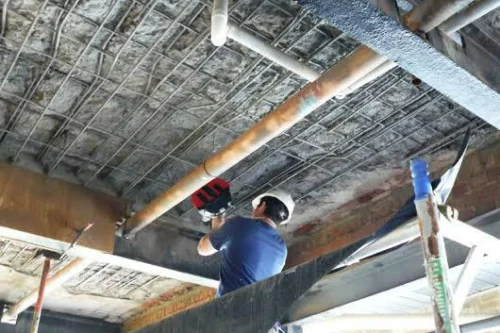
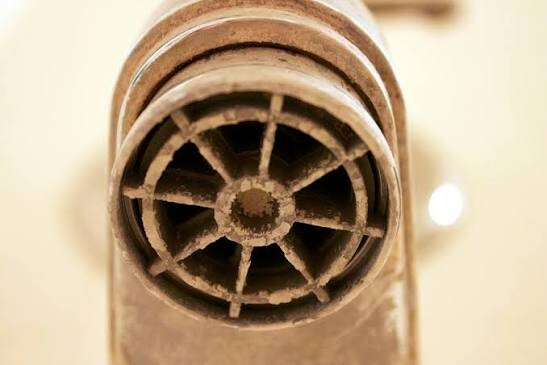
When hard water minerals accumulate, they can leave chalky deposits on faucets, showerheads, glassware, and bathroom surfaces. Soap may lather less easily, and homeowners sometimes find themselves using more detergent to get the results they expect. Over time, mineral scale can also build up inside water heaters and other equipment, potentially reducing efficiency and increasing maintenance needs.
A simple example is the kettle. If a pale, crusty layer keeps forming inside despite regular cleaning, hard water may be the reason. The same process can occur in less visible places, including pipes and heating equipment.
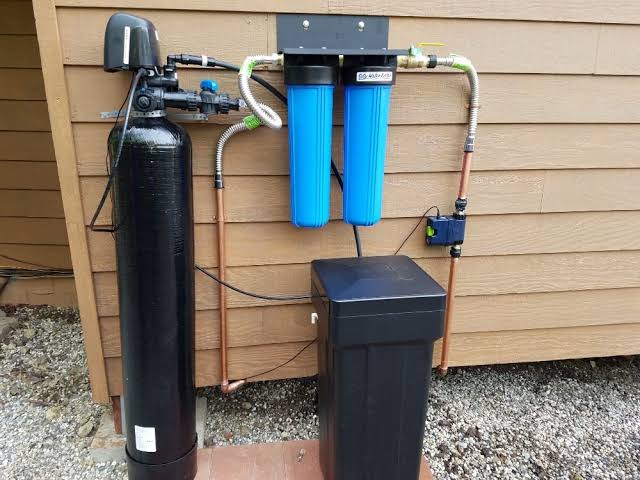
A water softener can help when hardness is the main issue. Most conventional systems use ion exchange to replace calcium and magnesium ions with sodium or potassium ions. The right choice depends on water hardness, household usage, plumbing arrangements, and individual needs.
Before investing in a softener, test the water and consider the ongoing costs. Softening doesn’t remove every contaminant, and it isn’t a substitute for filtration when other water quality problems are present.
Chlorine: Why Treated Water Sometimes Smells Different
Many public water systems use chlorine to disinfect drinking water and control harmful microorganisms. This treatment plays an important role in protecting public health as water travels through the distribution network. However, some people notice a swimming-pool-like smell or taste when filling a glass, particularly when the disinfectant odor is more noticeable.
The presence of a chlorine smell doesn’t automatically mean the water is unsafe. In fact, disinfectant residuals help protect water as it moves through pipes. Still, a sudden or unusually strong change in odor deserves attention, especially if it affects several taps or appears alongside discoloration or other unusual symptoms.
Activated carbon filters can reduce chlorine taste and odor when appropriately selected and maintained. They are commonly installed at the kitchen sink or integrated into drinking-water filtration systems. Whole-house carbon filtration may also be an option for households that want to reduce chlorine throughout the property.
There’s a catch, though: not all filters perform the same way. Check the manufacturer’s performance claims and look for independent certification relevant to the specific reduction you want. Replace cartridges according to the recommended schedule, since an exhausted filter may no longer work as intended.
If the odor changes suddenly, contact the local water supplier before assuming that a filter will solve the problem. The cause may need investigation first.
Iron and Manganese: The Stains That Keep Coming Back
Reddish-brown marks around sinks, orange streaks in toilets, or dark deposits on fixtures can sometimes indicate iron and manganese in the water. These naturally occurring elements may enter groundwater as it moves through mineral-rich rock and soil. They can also contribute to staining, unpleasant appearance, and deposits that are difficult to remove with ordinary household cleaners.
Iron often leaves orange or reddish-brown stains, while manganese may produce darker brown or black discoloration. The appearance alone, however, isn’t enough to confirm the cause. Corroding pipes, sediment, and other substances can create similar symptoms.
Some households notice these issues most clearly when washing white clothes. A load may come out with faint rust-colored marks, even though the detergent and washing machine haven’t changed. In other homes, the water may look clear when first drawn but develop a rusty appearance after standing.
Testing can identify iron and manganese levels and help determine whether additional water analysis is needed. Treatment may involve oxidation and filtration, specialized filter media, or other methods selected for the water’s chemistry. Simply installing a basic sediment filter may not be enough if the substances are dissolved rather than present as particles.
It’s wise to assess the whole situation before choosing equipment. Water pH, oxygen levels, and the form in which these elements occur can influence how effectively a treatment system works.
When Testing Matters More Than Guesswork
Unusual taste, odor, and staining are useful reasons to investigate, but they don’t reveal the full picture. Some contaminants, including certain bacteria and dissolved chemicals, may have no noticeable effect on water’s appearance or flavor.
For public water supplies, review the supplier’s water quality report and contact the utility if you notice a significant change. For private wells, arrange laboratory testing based on local recommendations and possible risks. Testing may include bacteria, nitrate, pH, minerals, and other substances relevant to the location.
If there’s a concern about a specific contaminant, choose a laboratory and test method suitable for detecting it. A general test package may not cover everything that matters.
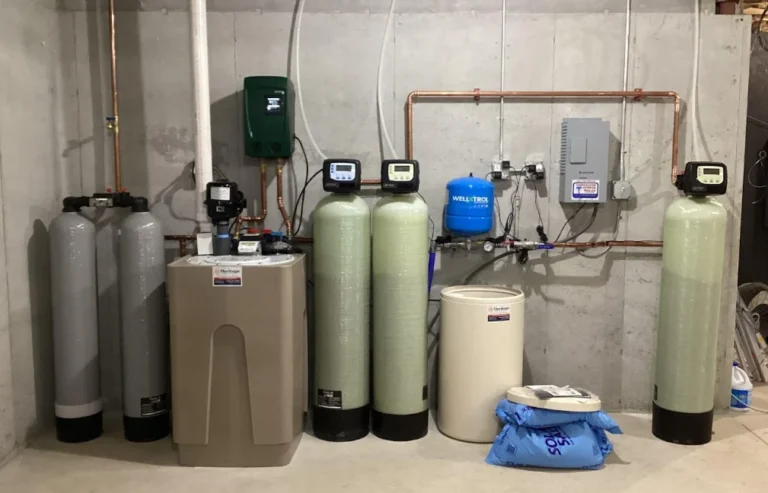
Once results are available, use them to select a treatment system designed for the identified issue. A softener addresses hardness, carbon filtration can improve certain taste and odor concerns, and other contaminants may require entirely different approaches. No single system removes everything.
Choosing a Practical Long-Term Solution
Improving water quality doesn’t have to mean turning a simple household problem into a complicated project. Start with the symptoms, confirm the cause through testing, and compare treatment options that match the results. Consider installation costs, replacement parts, maintenance requirements, and the amount of water the system can handle.
Just as importantly, pay attention when conditions change. A new smell, recurring stains, or an unexpected shift in water appearance deserves a closer look rather than an assumption that the existing equipment will handle it.
Water is part of nearly every daily routine, so even a modest improvement can make a real difference. With reliable information and a sensible treatment plan, homeowners can reduce annoying buildup, improve taste, protect plumbing equipment, and make more confident decisions about the water they use every day.