Most people don’t think much about their water until it starts causing trouble. Perhaps the shower leaves a chalky film on the glass, laundry feels rough even after using fabric softener, or the kitchen faucet develops stubborn white marks that seem impossible to remove. These everyday annoyances can be frustrating, especially when regular cleaning doesn’t seem to make much difference.
Water quality can affect more than the appearance of your fixtures. Depending on its mineral content and other characteristics, it may influence appliance maintenance, plumbing performance, drinking water taste, and the overall comfort of your home. The good news is that understanding the problem often makes finding a solution much easier.
Rather than guessing which equipment you need, start by looking at your water supply, your household’s priorities, and the results you want to achieve. A practical approach can save money and help you make a decision you’ll feel comfortable with for years.
Why Water Quality Deserves More Attention
Water travels through a long journey before reaching your tap. Its characteristics depend on the original source, local geology, treatment processes, and sometimes the plumbing inside your property. That’s why two homes in the same neighborhood can occasionally experience different water-related issues.
Hard water is one of the most common concerns. It contains elevated concentrations of minerals, particularly calcium and magnesium. These minerals can form deposits on faucets, showerheads, dishes, and the inside of water-heating equipment. Over time, the buildup may increase cleaning demands and contribute to maintenance problems.
Other concerns include sediment, unpleasant tastes or odors, iron staining, and specific contaminants that cannot be identified simply by looking at the water. Each issue calls for a different response. A softener is designed to reduce hardness, while certain filters can reduce particular particles, chemicals, or substances responsible for taste and odor.
This is where our commitment to better water should mean more than offering equipment. It should involve helping homeowners understand their water, explaining the available choices honestly, and recommending treatment based on actual needs rather than assumptions.
Start by Understanding What’s in Your Water
Before purchasing a water treatment system, take time to identify the problem. White deposits around faucets may indicate hard water, while reddish-brown staining can sometimes point to iron. A chlorine-like taste may be associated with municipal disinfection, although other factors can influence how water tastes and smells.
These clues can be useful, but they aren’t a substitute for testing. Water that looks clear isn’t necessarily free from contaminants, and an unusual taste doesn’t automatically mean it poses a health risk.
A water test can help determine hardness, pH, iron, and other characteristics. Additional laboratory testing may be appropriate when concerns involve bacteria, lead, nitrates, arsenic, or other health-related contaminants. The specific tests should reflect your water source and local conditions.
If your home uses a private well, regular testing is especially important because the quality can change over time. Households receiving municipal water can review their utility’s water quality report and consider testing at the tap if there are concerns about household plumbing or other local factors.
The results give you a clearer starting point. Instead of buying equipment based on advertising or a neighbor’s recommendation, you can focus on the treatment methods that address your particular situation.
When a Water Softener Makes Sense
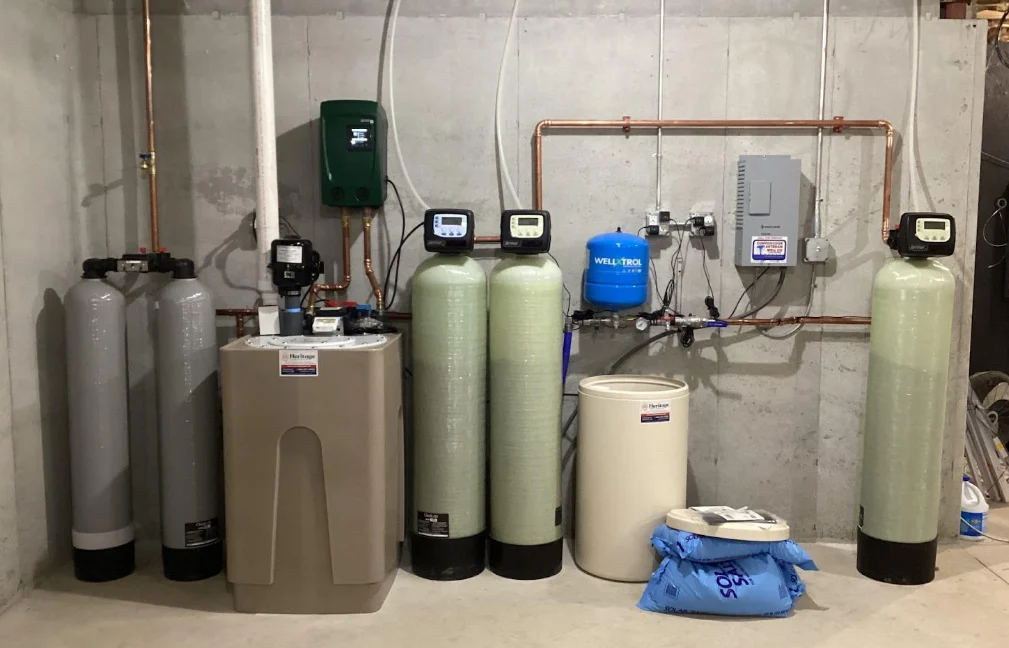
If hard water is the main concern, a water softener may be worth considering. Traditional salt-based softeners use an ion-exchange process to reduce calcium and magnesium in the water. This can help limit scale formation and reduce the mineral deposits that make bathrooms and kitchens harder to clean.
Many homeowners notice practical benefits, such as less scale on showerheads, fewer mineral spots on fixtures, and improved performance from appliances affected by hardness. However, results vary depending on the original water conditions, equipment selection, and maintenance.
Choosing the right size is important. A system that’s too small for the household’s water use may regenerate more frequently than necessary, while an oversized system can add avoidable expense. Household size, daily demand, water hardness, and the manufacturer’s specifications all help determine a suitable model.
Professional water softener installation and replacement can also help ensure the equipment is connected correctly and configured for the home’s water conditions. If an existing softener no longer performs as expected, replacement isn’t always the first answer. A technician may be able to identify a maintenance issue, incorrect setting, or worn component before recommending a new unit.
Remember that softening and filtration serve different purposes. A softener addresses hardness minerals, but it isn’t designed to remove every possible contaminant. Understanding that distinction helps prevent unrealistic expectations.
The Role of Whole-Home Filtration
Some households have concerns that extend beyond hard water. They may want to address sediment, unpleasant odors, or specific substances identified through testing. In these situations, a filtration system may be a useful part of the solution.
Whole-home filtration systems are generally installed where water enters the property, allowing treated water to reach multiple fixtures. The type of filter matters because different media target different substances. Sediment filters can capture certain suspended particles, while activated carbon can reduce chlorine taste and odor and may reduce other compounds when the system is designed and certified for those purposes.
However, no single filtration system removes everything. If testing identifies a particular contaminant, select equipment with verified performance for that contaminant. Some concerns may require specialized treatment, and certain drinking water applications may benefit from a separate under-sink system.
It’s also worth considering flow rate and maintenance. A filter must be capable of supplying enough water for the household without creating unnecessary pressure loss. Replacement cartridges need to be available, and service intervals should be realistic for your schedule.
A properly selected system can make daily water use more comfortable, but its performance depends on matching the technology to the problem.
Installation Is Only Part of the Job
Once a system is in place, regular maintenance helps keep it working as intended. Filters need replacement according to their rated capacity and the manufacturer’s guidance. Water softeners may require salt replenishment, periodic inspections, and occasional servicing.
Pay attention to changes in performance. If water flow drops, an unfamiliar taste appears, or mineral deposits begin returning, investigate the cause instead of assuming the equipment is still working properly. Keep records of installation dates, filter changes, and service visits so you know when attention is due.
It’s also sensible to understand the long-term cost before purchasing a system. Ask about replacement parts, professional servicing, warranties, and expected operating expenses. The cheapest unit upfront isn’t always the most economical choice over several years.
For homeowners who prefer not to manage everything themselves, choosing a provider with clear maintenance guidance and accessible support can make a real difference.
Choose a Solution That Fits Your Home
Every home has its own water conditions, budget, and priorities. One family may mainly want to reduce scale, while another needs targeted filtration because of a concern identified through testing. The right answer should reflect those differences.
Start with reliable information, ask questions, and compare options carefully. A trustworthy water treatment professional should explain what a system can do, what it cannot do, and how much upkeep it requires. You shouldn’t feel pressured to purchase equipment before you understand the recommendation.
Better water isn’t about installing the biggest or most expensive system available. It’s about choosing equipment that addresses the actual issue and maintaining it properly.
With a little investigation and sensible advice, you can reduce avoidable maintenance, improve everyday comfort, and feel more confident about the water flowing through your home. Those small improvements add up, turning something you rarely think about into one less thing to worry about.