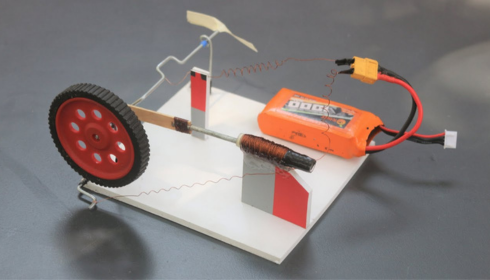
Science becomes truly exciting when theory meets hands-on experimentation. One of the most fascinating concepts students can explore is electromagnetism, and a science working project based on a solenoid is a perfect way to bring this concept to life. It’s simple to build, visually engaging, and demonstrates core physics principles in a practical way.
Let’s break it down in a clear and easy-to-understand manner.
What Is a Solenoid?
A solenoid is essentially a long coil of wire wound in a helical shape. When electric current passes through this coil, it creates a magnetic field, turning the coil into an electromagnet. This magnetic field behaves similarly to that of a bar magnet, with a clear north and south pole.
This basic idea is widely used in real-world applications like electric bells, relays, and even car starters. That’s why it makes such a valuable concept for a student project.
Objective of the Project
The goal of this project is to demonstrate how electricity can produce magnetism. By building a working model, students can visually understand how current flow generates a magnetic field and how that field can be used to move objects. Related context: 20 Questions About the Role of Blockchain in Everyday Life.
Materials Required
To build this project, you don’t need expensive equipment. Most items are easily available:
- Insulated copper wire
- Iron nail or rod (core)
- Battery (9V or AA)
- Switch
- Connecting wires
- Tape
- Small metallic objects (like paper clips)
These simple materials can create a surprisingly effective working model.
Step-by-Step Procedure
1. Prepare the Coil
Take the copper wire and wind it tightly around the iron nail. Make sure the coils are neat and closely packed. Leave some wire free at both ends for connections. Related context: Why Ecommerce SEO Is Different from Every Other Kind of SEO (and Needs Different Expertise).
2. Set Up the Circuit
Connect one end of the wire to the battery, and the other end through a switch. This allows you to control the flow of current.
3. Activate the Solenoid
When you turn on the switch, current flows through the coil. This instantly creates a magnetic field around the nail. Related context: Unlocking Innovation with Bevel Gear Systems and Peltier Module Technology.
4. Test the Magnetic Effect
Bring small metal objects like paper clips near the nail. You’ll notice they get attracted when the current is on and fall off when it’s off.
How It Works
The working principle behind this project is electromagnetic induction. When electric current passes through the coiled wire, it generates a magnetic field. The iron nail acts as a core that strengthens this magnetic field. Related context: Exploring Solar Energy Growth: Solar Energy Companies in Pune, Solar Generators, and Solar Parks.
The more turns in the coil and the stronger the current, the stronger the magnetic effect. This is why tightly wound coils work better. Related context: 40 FAQs About Innovations in Smart Home Devices.
Applications in Real Life
Understanding solenoids isn’t just about school projects—it connects directly to real-world technology:
- Electric bells use solenoids to create movement
- Door locks operate using electromagnetic principles
- Motors and generators rely on similar concepts
- Industrial machines use solenoids for automation
This makes the project not just educational but also practical.
Tips for Better Results
- Use insulated copper wire to avoid short circuits
- Ensure tight and even winding of the coil
- Use a fresh battery for stronger current
- Avoid keeping the circuit on for too long to prevent overheating
These small improvements can make your project more effective and reliable.
Conclusion
A solenoid-based project is one of the best ways to understand electromagnetism in action. It’s simple, affordable, and highly effective in demonstrating how electricity can create magnetism. More importantly, it helps students move beyond textbook learning and actually see science happening in real time.