There’s something unsettling about watching your fresh white laundry come out of the washer with streaks of brownish-orange. Or seeing rust-colored rings appear around your sinks, tubs, or toilets no matter how often you clean them. If you’ve ever had to scrub away stubborn rust stains, you know what I’m talking about. It’s one of those annoyances that creeps into daily life without warning and overstays its welcome.
For many homeowners, this isn’t just a cosmetic issue—it’s a symptom of something deeper. Most likely, your water contains elevated levels of iron and rust, and once it starts leaving visible traces, it’s time to face the facts and figure out a solution.
Iron in Water: More Common Than You Think
If you’re relying on well water, you’re probably no stranger to iron. Even municipal water supplies can have small amounts. And while a trace of iron isn’t harmful to your health, the long-term impact on your plumbing, fixtures, and sanity can be pretty significant.
Water with iron can look crystal clear at first glance, but the trouble starts when it reacts with oxygen. That’s when iron oxidizes—and that’s when you start noticing those orange streaks, odd metallic smells, or even sediment in your glass.
It’s sneaky. It doesn’t just announce itself all at once. You start with a little discoloration and end up battling daily signs of mineral buildup.
Not Just Ugly—Potentially Costly
Here’s the thing about iron: it builds up. Over time, it can clog pipes, slow down water flow, and shorten the lifespan of appliances like your washer, dishwasher, and water heater. If you’ve noticed your machines working harder or your water pressure mysteriously dropping, iron might be part of the story.
And those stains? They’re not just tough on porcelain—they’re brutal on your peace of mind. Constant scrubbing, ruined linens, and guests who subtly notice your sink stains…it adds up.
Rust Has a Way of Sticking Around
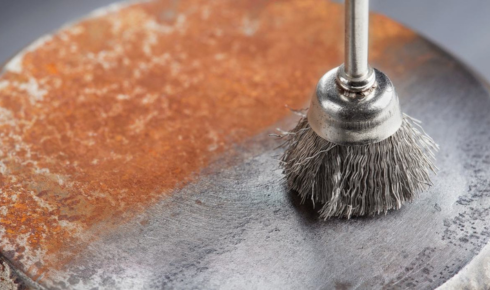
Once iron oxidizes into rust, it becomes stubborn. It clings to anything porous and spreads like a bad rumor. You might use cleaning products or homemade remedies, and sure, they can help. But it’s often a temporary fix, not a permanent solution.
That’s the thing about rust stains—they feel like you’re fighting a losing battle. You clean them up, they come back. You buy another product, they come back. The only real way to stop them is to tackle the root cause.
So… How Do You Get Rid of It?
Good news: you’re not helpless. With the right approach, you can drastically remove iron from your water supply before it ever hits your taps or appliances.
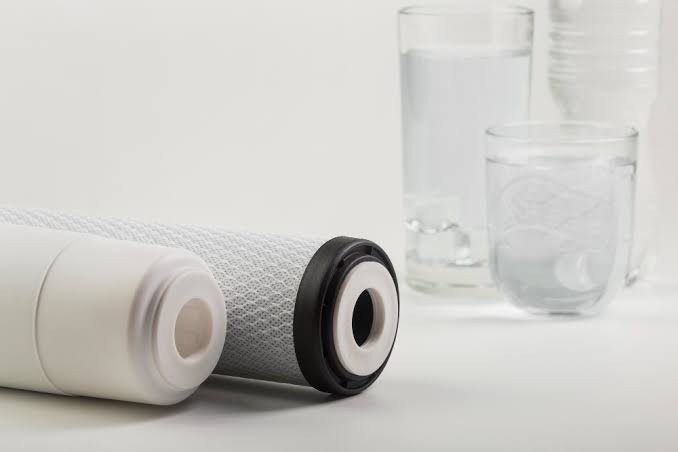
There are different methods depending on the severity and type of iron (yes, there are a few—ferrous, ferric, and bacterial). Basic sediment filters can handle some levels, but in most homes with noticeable issues, a more robust filtration system like an oxidizing filter or water softener (combined with pre-treatment) works wonders.
Testing your water is the first step—always. It tells you how much iron you’re dealing with and what form it’s in. Then you can figure out what system actually makes sense instead of throwing money at the problem blindly.
Filters, Softeners, and Everything In Between
Not all water treatment systems are created equal. Some are designed specifically for iron. Others, like typical water softeners, can help with iron but only within certain limits.
If you’ve tried softeners before and they didn’t work, chances are your iron concentration was too high. Or maybe you needed a pre-filter. The point is—layering the right tools, in the right sequence, is what gets you results.
Bonus? When you fix the iron issue, you’re also extending the life of your plumbing, improving water taste, and saving money in the long run. Related context: Clean Water Begins with Smart Choices, Not Just Better Equipment.
It’s About More Than Just Clean Fixtures
There’s something incredibly satisfying about turning on the tap and knowing what’s coming out won’t stain your sink, leave buildup in your kettle, or embarrass you when guests use the bathroom. That peace of mind? It’s underrated.
Living without iron-ridden water means less time cleaning, fewer repairs, and a lot more confidence in your home. You stop fighting your water and start trusting it again.
Let’s Be Honest—You Deserve Better Water
We’ve all got enough to deal with—our water shouldn’t be on that list. If you’ve spent more than five minutes scrubbing out iron rings, replacing stained clothes, or wondering why your clean dishes still look dirty, it might be time to take action.
It’s not about turning your house into a science lab or breaking the bank on gadgets. It’s about small, smart steps that make a big difference in daily life.
Final Thought
Your home is your sanctuary, and every part of it should work with you, not against you. If iron and rust have been quietly leaving their mark, don’t wait for the stains to get worse or the repairs to pile up.