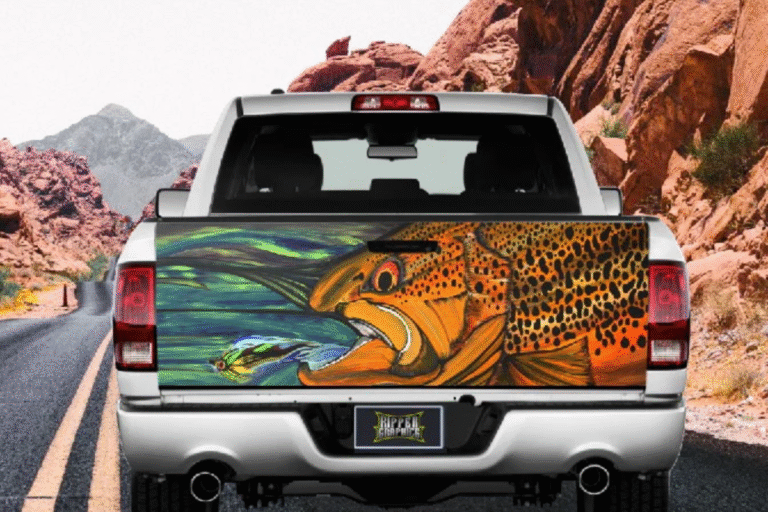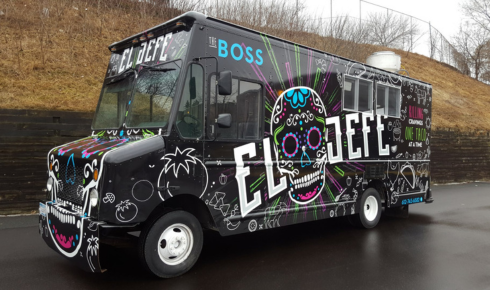
There’s a moment every food truck owner remembers—the first time they step back and really see their truck. Not just as a vehicle, but as a brand, a moving kitchen, a promise to hungry strangers standing on the sidewalk. Before anyone tastes the food, they taste the look. That visual impression matters more than most people admit, and it’s often what decides whether someone walks over or keeps scrolling on their phone.
Designing the outside of a food truck or trailer isn’t about copying whatever looks loud or trendy on Instagram. It’s about translating flavor, attitude, and personality into something visual. The best-looking trucks don’t scream. They invite.
The Look Should Match the Food, Always
A taco truck wrapped like a tech startup just feels off. The same way a minimalist juice bar painted in chaotic neon does. Good design starts with honesty. What kind of food are you serving? Comfort food? Street food? Something experimental? Something nostalgic? Related context: The Quiet Influence of Real People in a Loud Digital World.
When visuals align with flavor, customers subconsciously trust you more. They feel like they know what they’re getting. That’s why some of the strongest food trailer wrap ideas aren’t complicated at all. Simple color palettes, bold but readable typography, and one strong focal point often do more than an overload of graphics.
Think of your truck as a menu cover. You don’t list every ingredient. You hint, you suggest, you tempt.
Why Wraps Became the Go-To Choice
Wraps didn’t become popular just because they look cool. They’re practical. They protect the vehicle, they’re easier to update, and they allow for far more creativity than paint alone. For owners who want flexibility—or who might evolve their brand over time—wraps are forgiving in the best way.
The smartest food truck wrap ideas usually focus on storytelling. Maybe it’s an illustrated mascot. Maybe it’s a pattern inspired by your cultural roots. Maybe it’s just one bold phrase that sums up your whole concept. The key is restraint. You don’t need to fill every inch. White space, when used intentionally, can be powerful.
And don’t forget readability. Your truck is often viewed from across a street or through traffic. If people can’t tell what you sell in three seconds, you’ve probably overdone it. Related context: More Than a Ride: How Truck Graphics Drive Business Without Saying a Word.
Paint Isn’t Dead—It’s Just Different
While wraps dominate the scene, paint still has a place, especially for owners who want something more permanent and tactile. Paint feels rooted. It has weight. It says, “I’m not going anywhere.”
Some food truck paint ideas lean heavily into nostalgia—hand-painted lettering, slightly imperfect lines, vintage color tones. Others go ultra-clean with matte finishes and subtle contrast. Paint works best when the concept is timeless rather than trendy, because changing it later isn’t as simple as peeling and rewrapping.
Interestingly, some of the most striking trucks mix both worlds: painted base colors with wrapped accents or decals layered on top. It’s not an either-or decision anymore.
Small Details That Make a Big Difference
What separates a good-looking truck from a great one often comes down to details no one talks about. How does the design wrap around corners? Do logos get awkwardly cut by doors or handles? Does the color scheme still look good under harsh midday sun and warm evening lights? Related context: Moving to a New Home in Chennai Without Turning It Into a Stressful Affair.
Textures matter too. Glossy finishes feel energetic and bold. Matte feels modern and calm. Satin sits somewhere in between. None are “better”—they just communicate different moods.
And then there’s wear. Food trucks live hard lives. Heat, grease, rain, sun, long days. A design that looks amazing on day one but falls apart in six months does more harm than good. Durability is part of design, whether people realize it or not.
Your Truck Is a Conversation Starter
One underrated benefit of strong visuals is how often they spark conversations. People ask questions. They take photos. They tag you online. That kind of organic marketing can’t be bought—it’s earned. Related context: How to Build Effortless Outfits That Always Look Put Together.
The trucks people remember aren’t always the loudest. They’re the ones that feel intentional. Cohesive. Like someone cared enough to think it through rather than rush it.
And here’s the honest truth: customers can sense when a brand is authentic. When the outside matches the inside. When the visuals reflect pride, not just promotion. Related context: Clean Water Begins with Smart Choices, Not Just Better Equipment.
Ending Where It All Begins
At the end of the day, your food truck’s appearance isn’t just decoration. It’s part of the experience. It sets expectations, builds curiosity, and invites people to step closer.
Whether you choose a full wrap, a painted finish, or something in between, the goal is the same—create something that feels like you. Something that holds up over time. Something that looks just as good when the lunch rush is over and the street is quiet again.