It’s a blistering summer afternoon. You finally step inside after braving the sweltering heat, expecting a blast of cool air from your AC… but instead, you’re greeted by a whole lot of nothing. Silence. Maybe a faint hum, maybe a fan blowing warm air. Either way, it’s not doing what it’s supposed to — and now you’re left wondering what went wrong. Could it be the thermostat? Maybe the capacitor? Or, just maybe, the problem is with the contactor.
If you’re scratching your head trying to figure out how to tell if a contactor is bad, you’re not alone. It’s one of those small components in your HVAC system that doesn’t get much attention — until it fails. Let’s break down what a contactor is, why it matters, and how you can tell when it’s the culprit behind your AC woes.
First Things First: What’s a Contactor?
In simple terms, the contactor is like a heavy-duty switch. It controls the flow of electricity to your AC unit’s compressor and condenser fan motor. When your thermostat calls for cooling, it sends a low-voltage signal to the contactor, which in turn closes a high-voltage circuit. Boom — your AC kicks on and starts doing its thing.
But when that contactor wears out, gets stuck, or fails altogether? It’s like trying to start your car with a dead ignition. Nothing happens — or worse, something does happen, just not what you want.
The Not-So-Obvious Signs of Trouble
Most homeowners aren’t standing next to their outdoor unit every time it runs, so a failing contactor can go unnoticed for a while. Still, there are a few telltale contactor failure symptoms you might pick up on if you’re paying attention.
For example:
- Your AC might make a humming sound but not actually start.
- It might start and then shut off too soon.
- You might hear a chattering or buzzing noise when it should be running smoothly.
- Or the unit could keep running even when the thermostat says it should stop.
Each of these weird little behaviors can point to a contactor that’s either stuck open, stuck closed, or has burnt contacts that can’t make the right connection anymore. It’s not always dramatic — but it is damaging over time.
That “Gut Feeling” Something’s Off? You’re Probably Right
Here’s where things get frustrating: because contactors aren’t visible or well-known, most people assume the problem is something else. Maybe the thermostat batteries died. Maybe the circuit breaker tripped. Maybe your AC is just being moody today.
But the contactor is a silent workhorse. It does its job — until it doesn’t. If your unit seems unpredictable or inconsistent, and all the obvious fixes (like cleaning the filter or resetting the breaker) haven’t helped, it’s time to dig deeper.
What a Bad Contactor Looks (and Sounds) Like
So now you’re asking, “Okay, but how can I really be sure it’s the contactor?” Great question. If you’ve got a basic understanding of your AC system and a multimeter handy, you can actually do a few simple checks yourself.
When figuring out how to tell if a contactor is bad, here are a few steps you can take:
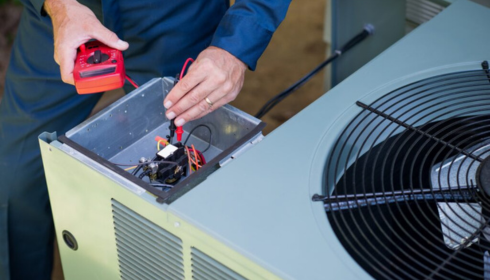
- Visual Inspection: Turn off the power to your AC unit. Then remove the access panel on the outdoor condenser. Look at the contactor. If you see burned, pitted, or melted parts, that’s a big red flag.
- Listen for Clicking: When the thermostat sends a cooling signal, the contactor should make a clicking noise. If there’s no click — or a fast, repetitive one — it may be stuck or chattering.
- Test with a Multimeter: With proper safety precautions, you can check if voltage is flowing across the contactor’s terminals. No voltage when it should be running? Yep — it might be time to replace it.
Why It’s Not Just a “Minor Issue”
Ignoring a bad AC contactor can cause a chain reaction of bigger, costlier problems. When the contactor sticks open, your AC might not start at all. If it sticks closed, it can keep running endlessly, even when the thermostat is off — which can overwork your compressor and kill it prematurely.
In the worst-case scenario, that little $20-$40 part ends up costing you hundreds — or even thousands — in repairs or replacements. That’s why catching it early isn’t just smart. It’s essential.
DIY or Call a Pro?
If you’re handy with tools and know your way around electrical components, replacing a contactor is usually a straightforward job. But if you’re even slightly unsure — or the idea of poking around live wires makes your palms sweat — it’s worth calling a licensed HVAC technician. A quick service call could save you from a summer full of frustration.
Plus, a professional will often spot other potential issues while they’re at it. It’s a bit like going in for an oil change and finding out your tires were dangerously low on tread — not fun, but definitely useful.
The Bigger Picture: A Little Maintenance Goes a Long Way
Let’s be honest — most of us only think about our AC units when something goes wrong. But like any hardworking machine, a little attention and maintenance can keep it running smoothly for years. That includes things like:
- Changing your filters regularly
- Keeping the condenser unit clean and clear of debris
- Scheduling a yearly tune-up (yes, even if it “seems fine”)
- Checking components like the capacitor and contactor before they fail
It’s not glamorous, but it works. And it’s way cheaper than replacing a whole system.
Wrapping It Up
A failing contactor may seem like a small thing — and truthfully, it is. But small parts can create big problems if they’re not handled early. So next time your AC starts acting up, don’t just assume it’s the thermostat or that the universe is against you. Consider the possibility that it’s your contactor, quietly crying out for help.
Keep your ears open, trust your gut, and don’t be afraid to peek under the hood (or panel, in this case). Whether you’re a DIY enthusiast or prefer to leave it to the pros, knowing the signs and understanding what’s really going on can save you a lot of money — and a lot of sweaty afternoons.
Need Help with a Troublesome AC?
If your unit’s showing weird symptoms and you suspect it might be the contactor — or something else entirely — don’t wait. Get it checked out before a minor issue turns major. A quick call today can save you a summer’s worth of headaches tomorrow.