Water is just… water, right? It’s clear, tasteless, and the most essential thing we consume daily. But as soon as you start digging a little deeper—maybe after buying a water purifier or browsing a wellness blog—you’ll come across this thing called TDS. That’s when it all starts to feel more complicated than you expected. So let’s slow it down and unpack the real story of TDS—what it is, why people care, and whether or not you should.
What’s the Deal with TDS?
TDS stands for Total Dissolved Solids, which is just a fancy way of saying the number of dissolved minerals, salts, and metals in your water. These could include calcium, magnesium, potassium, chlorides, and even trace elements of heavy metals. Don’t let the word “solids” fool you—they’re invisible to the eye but very much a part of what makes water taste and behave the way it does.
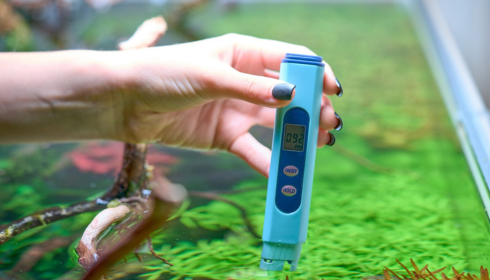
The number is measured in parts per million (ppm), and that’s the figure you often see blinking on your TDS meter if you’ve used one. Some people swear by keeping it as low as possible. Others argue that water needs minerals to feel and taste right.
So… who’s right?
The TDS Sweet Spot (and Why It’s Not One-Size-Fits-All)
The general rule of thumb says this:
- 0–50 ppm: Distilled or reverse osmosis water (very pure, almost flat-tasting)
- 50–150 ppm: Clean water, typically great for drinking
- 150–300 ppm: Acceptable, depending on the mineral makeup
- 300–500 ppm: Might start tasting heavy or metallic
- Over 500 ppm: Consider testing it further
Now, that’s just a range, not a verdict. The tds drinking water preference often depends on what you’re used to and what your body needs. For example, in areas with naturally mineral-rich water, locals might find low-TDS water too bland. Meanwhile, someone used to RO water might find high-TDS tap water too “hard.”
The kicker? A lower TDS doesn’t always mean better. Surprising, huh?
Tap Water and the TDS Puzzle
Let’s talk about tap water. It’s the stuff you cook with, clean with, and yes—often drink without thinking twice. But if you’ve ever asked yourself, what is the TDS of tap water, the answer can vary wildly depending on where you live.
In the U.S., most municipal tap water falls between 100 to 400 ppm. That might sound high, but it’s often perfectly safe and within EPA guidelines. Still, just knowing the TDS doesn’t tell you which solids are present. That’s why it’s often just the first step in figuring out your water quality, not the last.
TDS is like the number on your bathroom scale. It gives you a snapshot but not the whole story.
Is TDS Actually a Good Way to Judge Water?
Here’s where things get tricky. We hear people say things like “low TDS is clean” or “high TDS is dirty.” But let’s not oversimplify. If you’ve ever wondered is TDS a good measure of water quality, the answer is: yes and no.
TDS can tell you something’s up—but not what. It’s a bit like smelling smoke in a room. It alerts you that something’s happening, but not whether it’s a cozy fireplace or your toaster catching fire.
Say your TDS is 500 ppm. That could be because of beneficial minerals like calcium and magnesium—or it could be due to industrial runoff. Without a more detailed test, you just don’t know.
That said, TDS is still a helpful tool. It’s a great way to track changes in your water over time. For example, if your regular supply is 200 ppm and suddenly jumps to 450 ppm, it’s a sign to investigate further.
Why Do People Obsess Over It?
Because water is personal. We taste it, we rely on it, and when something feels “off,” we notice. Some people invest in expensive filters that promise to reduce TDS, aiming for that elusive “zero.” Others prefer their water naturally mineral-rich and feel uneasy when it tastes too neutral.
Then there’s the health angle. Some nutritionists believe that drinking mineral-rich water can help supplement essential nutrients, especially in diets low in magnesium or calcium. But on the flip side, water with high sodium content (which could still show up as “normal” on your TDS meter) may not be ideal for everyone.