

There’s something comforting about turning on your faucet and knowing the water that flows out is safe to drink. But have you ever stopped to think about why it’s safe? Or whether it actually is? In an age where we’re hyper-aware of everything from the air we breathe to the food we eat, it’s surprising how little most people know about their water. And I get it — water looks clean, so it must be, right?
Well, not always. And that’s where a bit of basic knowledge about testing, filters, and purification systems like reverse osmosis comes in handy. So grab your favorite mug of tea (filtered, maybe?) and let’s casually walk through what you really need to know.
The Water You See Isn’t Always the Water You Get
Let’s start simple. Even if your water tastes fine, it might still carry contaminants — things like lead, chlorine, pesticides, nitrates, or even bacteria. Some are harmless in tiny amounts, but others? Not so much.
This doesn’t mean you should panic every time you fill your glass — but it does mean that understanding your local water supply, and maybe even testing it yourself, isn’t overkill. It’s just smart.
A Beginner’s Guide to Water Testing Tips
If you’ve never tested your home’s water before, it can sound… intimidating. But it doesn’t have to be. You’ve got options — from simple DIY test kits you can buy online (they look a lot like pool test strips, honestly) to professional lab testing that gives you a detailed breakdown of your water’s makeup.
Here are a few non-scary, totally doable water testing tips:
- Know your source. If you’re on city water, check your annual water quality report (usually mailed or available online). If you’re on well water, you’re responsible for regular testing.
- Start with the basics. Test for pH, chlorine, lead, and bacteria — the common culprits.
- Use clean tools. Seriously — don’t test with an old coffee mug or that pasta pot you “rinsed.” Use the container that comes with the kit.
- Test more than once. Especially if something looks off, testing at different times of day or over several days can show patterns.
Getting into the habit of testing your water once or twice a year is a small step with big peace-of-mind benefits. Bold, but not burdensome.
One of the most overlooked steps in improving your water quality is starting with water testing tips that are simple, reliable, and easy to follow — without needing a chemistry degree.
Demystifying Filters: It’s Not All Brita
Let’s clear up a common assumption: not all water filters are created equal.
That pitcher in your fridge? It’s a good start, but it’s mostly designed to improve taste and remove basic stuff like chlorine. If you really want to target contaminants, you need to know what type of filter handles what:
- Carbon filters: Great for chlorine, VOCs, and some pesticides.
- Ion exchange filters: Helpful for reducing minerals like calcium and magnesium.
- UV filters: Perfect for killing bacteria and viruses.
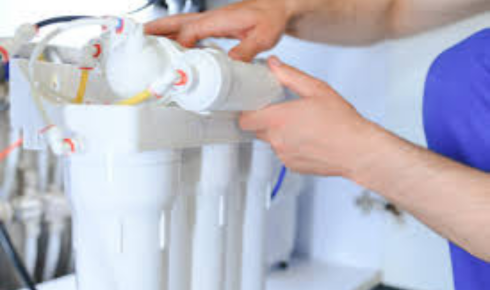
- Reverse osmosis systems: The heavy hitters — these remove a wide range of contaminants by forcing water through a semi-permeable membrane.
And here’s the kicker — sometimes a combination of systems is the best approach, especially if your water test shows multiple concerns. That’s where a little filtration education goes a long way.
If you want your decisions to actually make a difference, invest time in filtration education — knowing what filter does what helps avoid throwing money at the wrong solution.
Reverse Osmosis: Is It Worth the Hype?
You’ve probably heard the term thrown around in water-cooler talk (literally). But what is reverse osmosis really, and is it better than other filtration methods?
In a word: yes… but with some nuance.
Reverse osmosis (RO) is a filtration process that uses pressure to push water through a membrane that blocks most contaminants. We’re talking lead, arsenic, nitrates, PFAS, fluoride — the stuff you’d really rather not drink. The result? Clean, fresh-tasting water.
It’s especially good for households dealing with high TDS (total dissolved solids), or areas where water quality reports raise eyebrows.
That said, RO systems aren’t perfect. They waste some water during the process (some newer models are better), and they also remove healthy minerals like calcium and magnesium — which you might want to supplement back in if you rely on it as your main drinking water.
But overall, if you’re dealing with questionable tap water or just want extra assurance, the reverse osmosis benefits speak for themselves: fewer contaminants, better taste, and added peace of mind.
So… Do You Need a Filter?
Honestly? It depends.
If your water tests clean and tastes fine, you might not need a high-end filtration system. But if your water smells like a public pool, or if you live in an area known for heavy agriculture or industrial runoff, a filter might be a great investment.
It’s not about paranoia — it’s about being informed and taking small, proactive steps. Filters aren’t just for “crunchy granola” types or hardcore preppers. They’re for anyone who doesn’t want to blindly trust what’s coming out of the tap.
The Bigger Picture: Water is Life (No, Really)
Look, it’s easy to ignore what we don’t see. But clean water is essential — not just for hydration, but for cooking, cleaning, bathing… life, really. Investing in good water practices is like buying insurance for your health.
Whether you start by grabbing a $20 test kit or installing a whole-house filter, the most important step is awareness. Once you know what’s in your water, you can make better choices — for yourself, your family, even your pets and plants.
So don’t stress. Don’t overcomplicate. Just start. One test, one filter, one choice at a time.
Final Splash of Advice
If there’s one takeaway here, it’s this: the quality of your water affects more than you think, but improving it isn’t rocket science. A little curiosity, a bit of research, and a willingness to make small upgrades can create a big ripple effect in your health and home.
Trust your instincts. Trust the data. And hey — trust your taste buds too.