Sometimes the biggest household problems don’t arrive with loud warnings — they creep in quietly, disguised as everyday annoyances you eventually stop questioning.
It usually starts with something small.
Maybe you pull a glass out of the dishwasher and notice a faint cloudy film. Or you run a load of laundry, only to find your clothes feeling slightly rough instead of soft and fresh. Nothing dramatic, nothing urgent — just a series of minor frustrations that slowly become part of your daily routine.
Most people blame detergent, cleaning habits, or aging appliances. And honestly, that makes sense. Water itself rarely comes to mind as the root cause.
But in many homes, these subtle changes point toward something far more fundamental: the quality of the water running through the pipes.
Once you start paying attention, the signs become surprisingly clear.
When Your Dishes Never Look Truly Clean
One of the earliest clues often appears in the kitchen — and it’s easy to overlook at first.
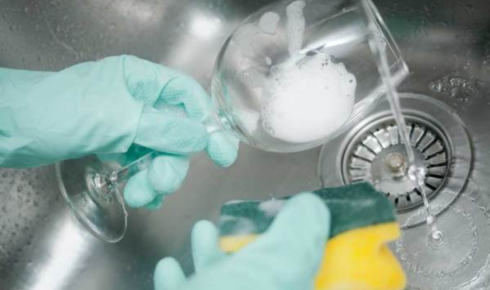
You open the dishwasher expecting sparkling results, only to find faint streaks or spots covering your glasses. No matter how carefully you rinse or how much detergent you use, the problem persists.
This is often the result of minerals dissolved in water. As water evaporates during drying cycles, those minerals remain behind, forming a thin residue.
Over time, this buildup creates what many homeowners recognize as cloudy glassware — a frustrating issue that cleaning products alone can’t fully solve.
It’s not a matter of cleanliness. It’s chemistry.
How Hard Water Affects Everyday Cleaning
Mineral-rich water doesn’t just leave spots on dishes. It interferes with cleaning processes across the entire home.
Soap and detergents are designed to dissolve and rinse away efficiently. But when minerals like calcium and magnesium are present, they react with soap molecules, reducing their effectiveness.
This means you often end up using more detergent, scrubbing longer, and still not achieving the results you expect.
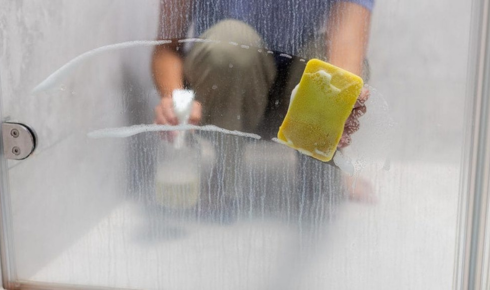
Bathroom surfaces, in particular, can become a constant cleaning challenge. Faucets develop white buildup, shower doors accumulate streaks, and tiles seem to lose their shine almost immediately after being cleaned.
These are all subtle signs of water working against your efforts rather than supporting them.
The Surprising Impact on Your Laundry
Perhaps one of the most overlooked consequences of mineral-heavy water shows up in the laundry room.
Clothes washed repeatedly in hard water tend to feel rough and lose their softness over time. Even with high-quality detergents and fabric softeners, the results may never quite match expectations.
That’s because minerals attach themselves to fabric fibers, preventing them from rinsing cleanly.
Many households notice this issue as stiff laundry, especially in towels and heavier garments. The texture can become coarse, and colors may fade more quickly due to residue buildup.
It’s one of those changes that develops slowly — until you suddenly realize your clothes don’t feel the way they used to.
What’s Happening Inside Your Plumbing
While the visible effects of mineral-rich water can be frustrating, the hidden impacts inside your plumbing system are even more significant.
As water flows through pipes, minerals gradually settle and accumulate on interior surfaces. Over time, these mineral deposits restrict water flow, reduce efficiency, and place extra strain on appliances.
Water heaters, in particular, can suffer from scale buildup on heating elements, forcing them to work harder and consume more energy.
The process is slow but relentless. Years of unnoticed accumulation can eventually lead to costly repairs or replacements.
Why Many Homes Don’t Notice the Problem
One of the reasons water quality issues often go unaddressed is their gradual nature.
Unlike a sudden plumbing leak or electrical failure, mineral buildup develops quietly over months or years. People adapt to the inconvenience without recognizing the underlying cause.
Extra cleaning becomes routine. Higher detergent usage feels normal. Appliance wear seems inevitable.
It’s only when homeowners experience improved water quality — often through filtration or softening solutions — that they realize how much effort they had been investing in managing these daily challenges.
The difference can feel surprisingly dramatic once the root issue is addressed.
Recognizing the Broader Impact on Comfort
Beyond cleaning and maintenance concerns, water quality also influences personal comfort in subtle ways.
Hard water can leave a thin residue on skin and hair after bathing, making it difficult for soap and shampoo to rinse completely. This may lead to dryness, irritation, or a persistent feeling of heaviness.
For individuals with sensitive skin, the effects can be even more noticeable.
Improving water quality often leads to softer skin, smoother hair, and a more refreshing shower experience — changes that may seem small but significantly enhance daily comfort.
Taking Simple Steps Toward Better Water Quality
The first step in addressing mineral-related water issues is understanding what’s actually present in your water supply.
Water testing kits are widely available and can provide quick insights into mineral levels and overall composition.
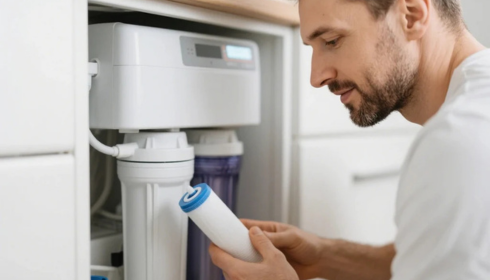
Once you have that information, choosing an appropriate solution becomes much easier. Options range from water softening systems to filtration units designed to reduce specific contaminants.
Even small improvements can make a meaningful difference in household maintenance and comfort.
The Bigger Picture: Water Shapes Everyday Living
At its core, water quality isn’t just about safety or aesthetics — it’s about how smoothly daily routines unfold.
From washing dishes and doing laundry to bathing and cooking, water influences nearly every aspect of home life.
When its quality improves, the benefits ripple outward. Cleaning becomes easier, appliances last longer, and personal comfort increases.
It’s one of those invisible upgrades that quietly enhances everyday experiences without demanding attention.
The Bottom Line: Listen to the Subtle Signals
The signs of mineral-rich water rarely appear as urgent warnings. Instead, they show up as small, persistent inconveniences that slowly become part of daily life.
By recognizing these subtle clues early — whether it’s cloudy dishes, rough laundry, or stubborn residue — homeowners can take proactive steps to improve water quality and protect their homes.