

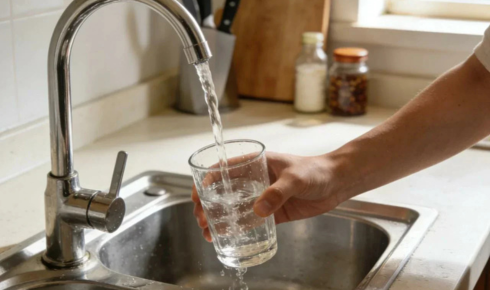
There’s a certain moment most of us have had—standing at the kitchen sink, filling a glass of water, and wondering if it’s actually as clean as it looks. Not in a paranoid way, just… curious. Maybe you’ve noticed a slight taste, or you’ve read something online that stuck with you.
That’s usually where the whole water filtration journey begins. Not with urgency, but with a question.
And then, of course, comes the rabbit hole. So many options, so many opinions. You start hearing terms like reverse osmosis, carbon filters, UV purification—and suddenly, choosing a system feels more complicated than it should be.
But let’s take a breath and talk through it like normal people.
Understanding What You’re Really Solving
Before picking anything, it helps to ask a simple question: what exactly are you trying to fix?
For some, it’s about taste. For others, it’s concern over specific impurities—chlorine, sediments, maybe even heavy metals depending on the water source. And sometimes, it’s just about peace of mind.
The tricky part is that not all systems address the same issues. Some focus on improving drinking water at a single point, while others aim to treat every drop entering your home.
This is where the idea of whole house vs under sink systems naturally comes into play. One is broad and covers everything—from showers to laundry—while the other is more focused, usually targeting drinking and cooking water.
Neither is “better” in a universal sense. It depends on what matters to you.
A Whole House System: Quiet, Consistent, Everywhere
Whole house filtration systems are installed at the main water line, which means every tap in your home delivers filtered water. Showers, washing machines, even outdoor hoses—everything benefits.
It’s a kind of background upgrade. You don’t think about it daily, but you feel the difference over time. Softer skin after showers, less buildup on fixtures, maybe even clothes that seem to last a bit longer.
But it’s not always necessary for everyone. If your main concern is drinking water, going all-in like this might feel like overkill.
Still, for homes with significant water quality issues, it’s often the more complete solution.
Under Sink Systems: Focused and Practical
On the other hand, under sink filters are a bit more targeted. They’re installed at a specific point—usually your kitchen faucet—and they handle the water you drink and cook with.
They’re easier to install, generally more affordable, and perfect for households where the primary concern is ingestion rather than overall exposure.
There’s something practical about them. They solve a specific problem without trying to do everything.
But yes, they won’t help with that chalky residue on your shower door or the feel of your bath water. It’s a trade-off.
The Subtle Art of Choosing What Fits
This is where things get interesting. You’ll come across plenty of recommendations—some pushing for full-home systems, others insisting a simple under sink unit is enough.
And honestly, both sides have their reasons.
The key is developing your own sense of filtration choice insights. That doesn’t mean becoming an expert overnight. It just means understanding your priorities clearly.
Is your water visibly hard or leaving residue everywhere?
Are you mostly concerned about what you drink?
Is budget a major factor, or are you thinking long-term investment?
Once you answer those, the decision tends to feel less overwhelming.
What’s Actually Being Filtered?
Let’s talk about what these systems are designed to do, because this part often gets glossed over.
Different filters target different contaminants. Carbon filters are great for chlorine and improving taste. Reverse osmosis systems go further, removing a wider range of impurities, including some dissolved solids and heavy metals.
This process of contaminants removal is what really defines a system’s effectiveness. It’s not about how fancy the unit looks or how many stages it claims to have—it’s about what it’s actually capable of filtering out.
And that depends heavily on your local water quality. What works perfectly in one area might not be necessary in another.
The Reality of Living With Your Choice
Once the system is in place, life doesn’t suddenly change overnight. There’s no dramatic “before and after” moment like in home makeover shows.
Instead, it’s subtle.
Water tastes cleaner. You stop second-guessing what’s coming out of your tap. Over time, you might even forget what it felt like before.
There’s also a bit of maintenance involved—filter replacements, occasional checks—but it’s usually manageable. Nothing too demanding, just part of keeping things running smoothly.
A Thought That Often Gets Missed
Here’s something worth considering—sometimes, the “best” system isn’t the one with the most features or the highest price tag.
It’s the one that fits your lifestyle without making things complicated.
A simple under sink filter might be exactly what one household needs, while another might benefit more from a whole house setup. There’s no universal answer, and that’s okay.
Wrapping It Up, Naturally
If all of this still feels a bit uncertain, that’s normal. Water filtration isn’t something most people think about until they have to.
But once you start paying attention, it becomes easier to see what makes sense for your home.
Take your time. Ask the right questions. Focus on what actually matters to you, not what’s trending or heavily marketed.
And in the end, whether you go big with a whole house system or keep it simple with something under your sink, the goal is the same—water you don’t have to think twice about.
And honestly, that’s a pretty good place to be.