

There’s something quietly powerful about water. It doesn’t shout or sparkle with bells and whistles. It just flows—until it doesn’t. Or worse, until it flows wrong. For a lot of businesses, water is like electricity: you don’t notice it until it becomes a problem. And when it does, oh boy, it can really throw a wrench in things.
Whether you run a small-scale coffee roastery, a sprawling hotel, a precision-based manufacturing unit, or a boutique bakery—your relationship with water might be more intimate than you think. And if you’re not paying attention to it now, chances are you will eventually… just maybe a little too late.
From “Good Enough” to “Let’s Make This Better”
Let’s start with the obvious: most businesses rely on municipal water. And that water is, technically, “safe.” It meets basic standards. But here’s the thing—basic doesn’t mean ideal.
Water carries more than just H₂O. Depending on where you are, it may come loaded with minerals, chlorine, sediment, or even tiny traces of metals. That kind of thing won’t hurt the average person drinking it now and then, but for a business? It adds up. Fast.
Imagine being a local chocolatier and noticing a shift in flavor. Or running a car wash where hard water leaves streaks and customer complaints. Over time, little inconsistencies stack up and start chipping away at what you’ve worked so hard to build—your reputation, your efficiency, your costs, and eventually, your results.
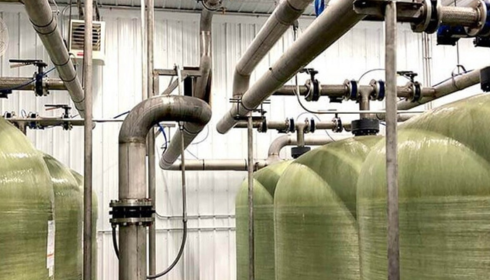
That’s why so many forward-thinking businesses are investing in commercial water systems. These aren’t your average under-the-sink filters. These are industrial-grade solutions designed to treat, balance, and optimize water flow based on real-world business use—not just household convenience.
The Quiet Link Between Water and Product Quality
You probably wouldn’t think of water as a “raw material.” But in many industries, that’s exactly what it is.
A good example? Breweries. Brewers are practically water chemists. The mineral content of water changes how yeast behaves, how hops taste, and how the beer finishes. Even the slightest variation can result in a completely different flavor. And that’s just beer.
Now think of bakeries, cosmetic labs, commercial laundries, pharmaceutical companies, and food prep services. Water isn’t just washing or dissolving—it’s participating. And if it’s not consistent, your results won’t be either.
Many businesses notice improved product quality simply by filtering their water the right way. Not overdoing it—just tailoring it. Removing what doesn’t need to be there and letting the rest flow naturally. When you nail that, you start seeing results that don’t just “pass” but impress.
Not All Filters Are Created Equal
Here’s the truth most folks only learn after something goes wrong: the little pitcher filter from the kitchen aisle? It won’t cut it in a busy commercial environment. Not by a long shot.
There’s no single “best” system either. That’s because every facility, every location, every use case is different. A dry cleaner’s water needs aren’t the same as a hotel’s. A greenhouse’s issues won’t match those of a seafood restaurant.
Enter the power of customized filtration solutions. These are setups designed for your operation—your flow rates, your pressure levels, your contaminants, your goals. Want to reduce chlorine? Done. Need to protect espresso machines from scale? Easy. Fighting iron stains in sinks? There’s a system for that too.
These solutions aren’t one-size-fits-all—and that’s the whole point. You get exactly what you need and skip the fluff that doesn’t serve your workflow. It’s like tailoring a suit. Off-the-rack might work in a pinch, but custom always fits better.
Dollars, Downtime, and Dirty Equipment
Water may seem invisible… until it starts hurting your bottom line. One day, the steamer in your café starts sputtering. Next week, the ice machine is gummed up. Then you’re replacing gaskets, calling in tech support, and wondering why your dishwasher keeps acting up.
The culprit? Often, it’s untreated or poorly treated water. Minerals, sediment, and hardness can slowly (or not so slowly) damage expensive equipment, shorten lifespans, and rack up maintenance costs you weren’t budgeting for.
And downtime? That’s a hidden cost no one talks about enough. When machines stop working, operations slow—or worse, halt. Orders get delayed. Guests get frustrated. The stress builds.
The beauty of investing in a proper water system is that it becomes preventative care for your business. It’s peace of mind, fewer surprises, and a smoother daily rhythm. It’s protection wrapped in simplicity.
Employees and Customers Feel It Too
Clean water doesn’t just protect machines or products—it changes experiences. Ever had tea made with heavily chlorinated water? Or washed your hands at a sink with rusty-looking water coming out of the tap?
Now imagine that same experience for your customers or your team. It sends a message—whether you mean it to or not.
People notice things like taste, smell, clarity, and even how soft their laundry feels. Employees appreciate not dealing with scaly faucets and janky ice machines. Customers equate cleanliness with professionalism. When water feels fresh and pure, it adds an invisible layer of trust. That’s something no branding campaign can fake.
So, Is It Worth It?
Short answer? Yeah. But like most smart investments, it depends on doing it right.
The best approach is to start with a water test—see what you’re actually working with. Then, find a provider who understands business-scale systems, not just household hacks. From there, it’s about design, install, and maybe a little education to keep things humming.
What you get in return? Fewer breakdowns. Better taste. Lower utility bills. Happier customers. Healthier equipment. Stronger compliance. And perhaps most importantly, one less thing to worry about in a world full of moving parts.
The Bottom Line: Better Water Isn’t a Luxury—It’s a Strategy
If there’s one takeaway here, it’s this: Water touches everything. From the coffee in your customer’s hand to the machine that preps your product to the peace of mind your staff feels when things just work.