There’s something kind of comforting about the sound of a gas stove clicking on or the steady warmth from a gas heater in the winter. It feels old-school in a good way — reliable, familiar. But here’s the thing: natural gas, while efficient and cost-effective, demands respect. It’s like having a loyal old dog. Great to have around — but you don’t mess with it carelessly.
So let’s dig into this. No jargon, no stiff instruction manual tone. Just an honest, human conversation about what it really means to stay safe and smart around your home’s gas systems.
The Invisible Workhorse: Natural Gas
We often don’t think much about how things work in our homes — we’re too busy just trying to get through the day. But natural gas is one of those behind-the-scenes heroes. It powers the stove you use to make your coffee, the heater that keeps your toes warm in December, and even your water heater. It does a lot, quietly.
But that quiet can be deceptive. Just because we don’t see the danger doesn’t mean it’s not there. Staying on top of natural gas safety isn’t about being paranoid — it’s about being prepared. That faint smell (like rotten eggs) they add to gas? That’s not just unpleasant — it’s your first defense against a potential leak.
Ever Checked Your Gas Stove Line?
Let’s be honest: when was the last time you even thought about the line connecting your stove to the gas supply?
Exactly.
You’re not alone. Most people never think to check it — until there’s a problem. Maybe the burner’s acting funky. Maybe there’s a weird smell that wasn’t there before. Suddenly, that old hose behind the stove becomes the main character in your life.
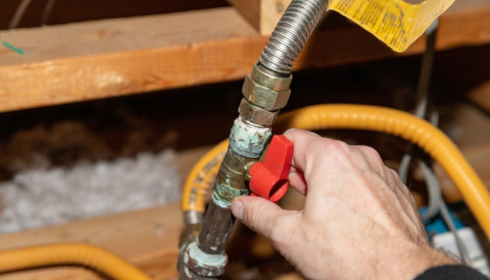
A stove gas line can last years, sure. But it’s not invincible. It can corrode. It can crack. Sometimes even a gentle tug while cleaning behind the stove can loosen a connection. And guess what? That’s all it takes for trouble to start creeping in.
So take a peek back there every now and then. Or better yet, have a licensed technician do it during your annual gas check-up. It’s a small move that can make a huge difference.
The Power of Routine (and Why It’s Underrated)
You know that feeling when your car starts making a weird noise, and you ignore it — until it becomes a full-blown problem? Gas appliances are kind of like that. They’ll give you little warning signs. But if you’re not paying attention, they escalate.
Enter the unsung hero of home safety: routine maintenance on gas appliances.
It’s not exciting. It’s not flashy. It’s just… necessary. These check-ups catch problems early — maybe a loose valve, maybe a tiny leak — and stop them before they turn into full-blown emergencies. Think of it like going to the dentist. No one loves doing it, but everyone loves the peace of mind that comes with it.
Plus, maintained appliances tend to run more efficiently. So you’re not just staying safe — you’re saving money too.
Why Leaks Don’t Always Look Like Leaks
Here’s a truth bomb: not all gas leaks are dramatic.
Sometimes it’s not a burst pipe or a roaring flame. Sometimes it’s a slow, steady trickle of gas that goes unnoticed for days. The symptoms can be subtle: you feel a little lightheaded, maybe a headache that won’t go away, or a faint smell you can’t quite place.
These are the moments that make natural gas safety feel very real — because it creeps into your everyday life in ways that don’t seem obvious. You might chalk it up to stress or lack of sleep. But what if it’s not?
That’s why gas detectors are such a good investment. They’re not expensive, and they just… sit there, doing their job. Silently watching out for you and your family. Kinda like a smoke detector, but for gas. That’s peace of mind money can actually buy.
DIY vs. Professionals: Know Your Limits
We live in a DIY age. YouTube tutorials make everything seem doable. Replace a faucet? Sure. Rewire a light fixture? Why not.
But gas?
That’s a hard pass.
Working with gas lines isn’t like painting a wall or installing shelves. One wrong move and you’re dealing with a very real explosion risk. Even professionals tread carefully here. So if you’re tempted to save a buck and mess with your gas line — just don’t. Seriously.
Call a licensed technician. Let them handle it. You’ll sleep better. And your house will thank you.
The Mental Load We Don’t Talk About
Here’s something we rarely say out loud: keeping a home running is exhausting.
There are bills, dishes, appointments, errands — and then somewhere in that chaos, you’re supposed to think about gas safety too? Come on.
But here’s the trick — you don’t have to do it all the time. You just need to set a few reminders. Once or twice a year, schedule a check-up for your gas appliances. Check for recalls on your heater or stove. Listen to that little voice when something feels… off.
That’s it. That’s all it takes to keep the whole thing manageable.
Teach the Basics to Everyone at Home
Kids, roommates, even guests — everyone should know a few gas safety basics.
- What does a gas leak smell like?
- Where’s the main shut-off valve?
- Who do you call in an emergency?
It’s not about fear-mongering. It’s about empowerment. The more people who know what to do, the safer your space becomes.
Wrapping It All Up: A Quiet Kind of Preparedness
So yeah — gas safety doesn’t make headlines. It’s not flashy or viral. But it’s one of those adulting things that really matters. And the best part? It’s totally doable.
Check that stove gas line once a year. Schedule that routine maintenance on gas appliances. Stay aware of natural gas safety best practices, even if it’s just in the back of your mind.
That way, you can enjoy your hot showers, warm meals, and cozy winters without giving gas a second thought — and that is the kind of peace we all deserve.