It usually starts with a small doubt.
Maybe your tap water smells faintly metallic. Maybe your glassware comes out of the dishwasher with cloudy spots. Or maybe you’ve just moved into a new house and you’re standing in the kitchen thinking, “I wonder what I’m actually drinking.”
The instinct is often to jump straight to solutions. Buy a filter. Install a softener. Upgrade to a fancy reverse osmosis system. But here’s the truth most people skip over: without knowing what’s in your water, you’re solving a mystery with a guess.
And guesses, especially when it comes to water quality, can lead to overcomplicating things—or missing the real issue entirely.
Testing Isn’t Just for Problems
Many homeowners assume water testing is only necessary when something looks or smells wrong. But water can carry minerals, chemicals, or contaminants that don’t immediately reveal themselves.
Routine testing gives you a clearer picture of what’s happening behind the scenes. It transforms vague concerns into measurable data.
That’s where contaminant profiling becomes valuable. Instead of simply checking for one or two elements, comprehensive testing evaluates a broader spectrum—minerals, metals, bacteria, pH levels, and more. It’s like getting a detailed health check-up for your water.
The goal isn’t to create alarm. It’s to create awareness.
Understanding the Numbers
When you receive lab data, it can feel overwhelming at first. Hardness measured in grains per gallon. pH on a 0–14 scale. Trace levels reported in parts per million.
But those numbers tell a story.
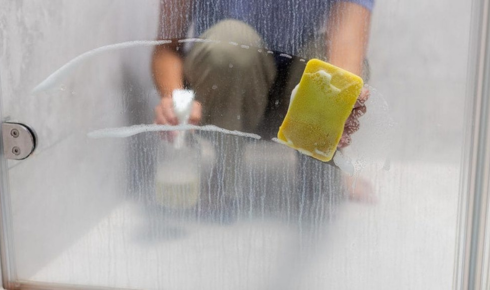
High hardness may explain scale buildup on fixtures. Low pH could indicate acidic water that gradually corrodes plumbing. Elevated iron levels might be responsible for rusty stains in sinks or bathtubs.
The key is interpreting those findings realistically. Not every elevated reading requires immediate action. Many municipal supplies meet safety standards comfortably. But knowing where your water stands helps you decide if adjustments are necessary.
Your test results aren’t a verdict—they’re a roadmap.
From Data to Decisions
Once you understand what’s present in your water, you can move toward informed solutions. This is where thoughtful treatment recommendations come into play.
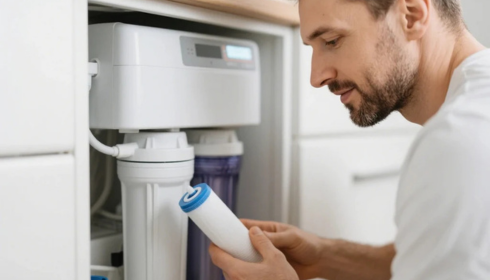
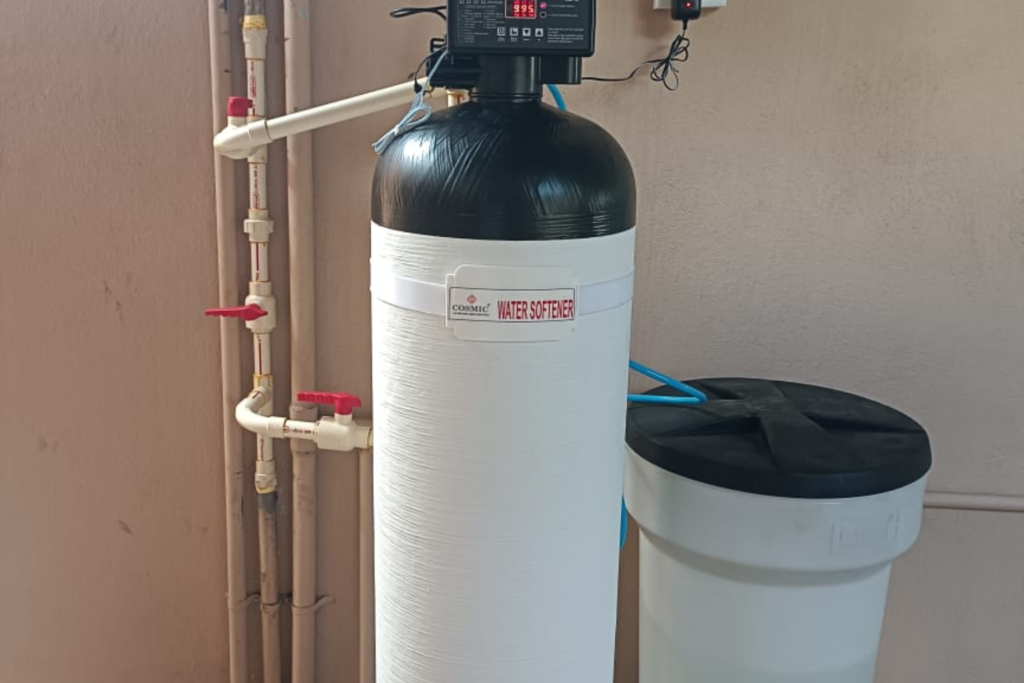
If hardness levels are moderate to high, a water softener might reduce scale and extend appliance lifespan. If chlorine taste bothers you, carbon filtration could be sufficient. If pH falls outside neutral range, balancing systems may be considered.
The beauty of this approach is precision. You’re not installing equipment out of fear. You’re selecting solutions aligned with measurable needs.
And that often means avoiding unnecessary expenses.
Municipal vs. Well Water
Municipal water users have access to annual quality reports, which provide baseline information. However, those reports reflect water at the treatment facility—not necessarily what flows from your tap after traveling through local infrastructure.
Private well owners carry greater responsibility. Seasonal changes, agricultural runoff, and nearby construction can affect groundwater quality. For wells, annual testing is typically recommended—even when no issues are obvious.
Consistency matters.
The Emotional Side of Knowing
There’s something grounding about having real data in front of you. It shifts the narrative from “I think something’s wrong” to “Here’s what’s happening.”
That clarity reduces stress.
You stop second-guessing the taste of your water. You stop wondering whether cloudy ice cubes are harmless air bubbles or sediment. You gain confidence in your decisions.
Water flows through nearly every daily routine. Feeling secure about its quality carries more emotional weight than most people realize.
Avoiding Over-Treatment
One common mistake homeowners make is overcorrecting. They install complex, expensive systems for issues that require simpler solutions.
Testing prevents that.
If your hardness level is minimal, a full-scale softener might not be necessary. If chlorine levels are within normal range and taste doesn’t bother you, advanced purification may be excessive.
Precision keeps treatment balanced.
Maintenance and Follow-Up
Testing isn’t a one-time event. Conditions can change.
For municipal water users, testing every couple of years is usually sufficient unless you notice shifts in taste or clarity. Well owners often benefit from annual evaluations.
Regular testing keeps you proactive instead of reactive.
And if you’ve installed treatment equipment, follow-up testing ensures systems are performing as expected.
A Practical Perspective
It’s easy to be influenced by bold marketing claims promising “purest water ever.” But water improvement doesn’t need to be dramatic.
It starts with understanding. Measuring. Interpreting.
When you approach water quality thoughtfully, decisions become simpler and more cost-effective.
Final Thoughts
Testing your water may not feel exciting. It won’t instantly transform your kitchen. But it lays the foundation for smarter choices.
By evaluating contaminants, reviewing measurable data, and choosing targeted solutions, you avoid guesswork and unnecessary spending.
In the end, water treatment isn’t about chasing perfection. It’s about clarity—both literally and figuratively.
Because when you know what’s in your water, you don’t just improve it.
You understand it.