Think about how many times you use water before leaving the house in the morning. There’s the shower, the bathroom faucet, the coffee maker, and perhaps a load of laundry running in the background. Water is involved in almost everything, yet many homeowners concentrate their filtration efforts entirely on the kitchen sink.
That approach may work perfectly well for drinking water concerns, but it doesn’t necessarily address problems elsewhere in the house.
Installing water treatment at the point of entry allows homeowners to address selected water quality issues before the incoming supply reaches the household plumbing network.
For families dealing with sediment, unpleasant odors, or specific contaminants, this approach can offer practical advantages that extend well beyond filling a drinking glass.
What Exactly Is Point-of-Entry Water Treatment?
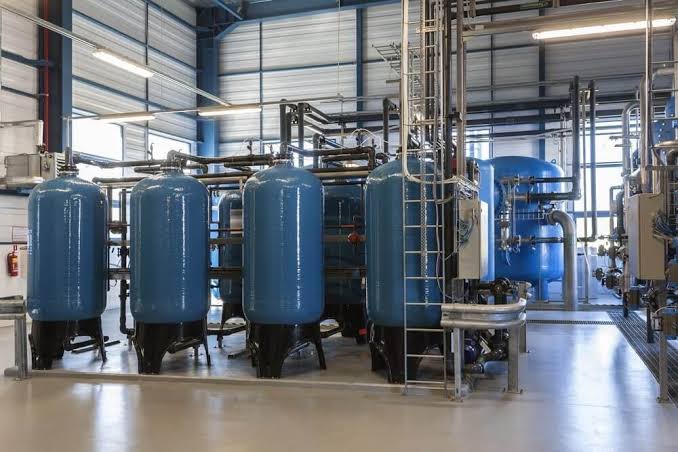
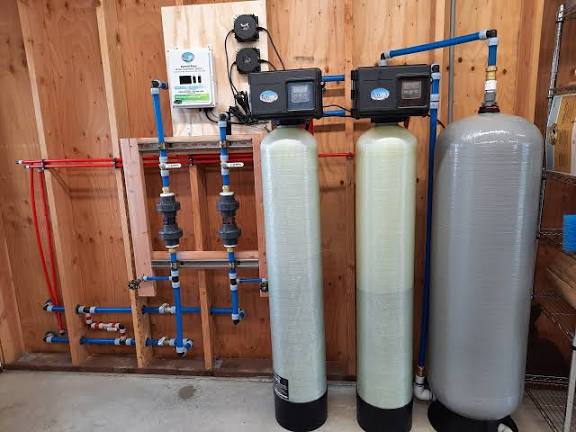
Point-of-entry treatment involves installing equipment near the main water supply line, typically in a basement, garage, or utility room.
Unlike smaller filters attached to individual faucets, these systems treat incoming water before distributing it to connected fixtures and appliances.
Depending on the equipment selected, treatment may involve mechanical filtration, activated carbon, water softening, or specialized contaminant reduction.
Imagine having sediment problems throughout your house. Installing separate filters at every affected faucet would quickly become inconvenient. Treating the incoming supply centrally could provide a more manageable arrangement.
However, it’s important to understand that central treatment doesn’t automatically remove every unwanted substance.
The system must be designed around your actual water conditions and the improvements you’re hoping to achieve.
Finding the Right Filtration Approach for Your Property
Every home has its own water quality challenges. Some households receive municipal water with a noticeable chlorine taste, while others depend on private wells containing naturally occurring minerals or suspended particles.
Choosing suitable point-of-entry water filtration solutions requires an understanding of these differences.
A sediment filter may help capture sand, silt, and rust particles. Activated carbon filtration can reduce certain chemical tastes and odors, while specialized media may address particular contaminants.
For households dealing with excessive hardness, conventional water softening may be more appropriate than ordinary filtration.
The best starting point is arranging relevant water testing.
It’s much easier to select equipment when you know what needs treatment. Otherwise, you could spend considerable money installing a system that doesn’t address your original concerns.
How Central Filtration Can Improve Everyday Household Activities
The benefits of water treatment aren’t always dramatic. Sometimes, they’re noticeable in ordinary moments that previously caused minor frustrations.
Properly selected whole-home water filter systems can help reduce suspended particles, address particular unpleasant odors, and improve selected water quality characteristics throughout connected areas of the property.
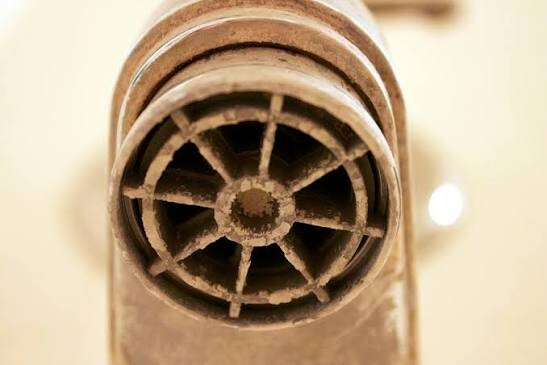
For instance, sediment filtration may reduce the amount of debris reaching washing machines, showerheads, and faucet aerators.
Families experiencing chlorine-related odor concerns may also appreciate suitable carbon treatment.
When combined with appropriate softening equipment, central treatment can help manage mineral deposits that make bathroom cleaning more demanding.
Of course, results depend on incoming water conditions and the equipment’s verified performance.
The idea is to make everyday water use more enjoyable without creating unnecessary maintenance responsibilities.
Why Water Pressure Deserves Serious Consideration
Nobody wants to improve water quality only to discover that taking a shower has become frustrating because the pressure is too low.
Central filtration equipment must handle the water demands of an entire household. That’s considerably different from supplying a small drinking water faucet.
Consider what happens during a typical Saturday morning. Someone might be showering while the washing machine runs and another family member washes dishes.
An undersized filtration system may struggle to accommodate this simultaneous demand.
Filter selection should account for peak flow rates, available pressure, plumbing dimensions, and treatment capacity.
A qualified professional can help assess these requirements before installation. Getting the sizing right from the beginning can prevent unnecessary performance problems later.
Do You Still Need a Separate Drinking Water Filter?
Interestingly, treating water at the main supply doesn’t necessarily eliminate the need for dedicated drinking water filtration.
Some whole-house systems primarily address sediment or chlorine-related concerns. They may not adequately reduce certain dissolved contaminants that require specialized treatment.
In those circumstances, an under-sink reverse osmosis system or another appropriately certified drinking water filter may provide additional benefits.
Think of the two approaches as serving different purposes rather than competing with each other.
Central treatment addresses selected concerns throughout the property, while dedicated kitchen filtration focuses on water used for drinking and food preparation.
Whether you need both depends on reliable water testing and your household’s specific requirements.
Planning for Installation and Long-Term Maintenance
Before purchasing filtration equipment, take a closer look at where it will be installed.
Is there enough space to replace cartridges comfortably? Can a technician access the equipment for servicing? Does the selected system require drainage connections or electricity?
These practical considerations are easy to overlook.
Maintenance expenses deserve attention, too. Filters eventually reach their service limits, accumulated particles can restrict flow, and certain treatment media require periodic replacement.
Follow manufacturer recommendations and arrange follow-up testing when equipment addresses health-related contaminants.
A system that’s easy to maintain is generally easier to live with over the long term.
Making Better Water a Part of Your Home
Central water treatment offers homeowners an opportunity to address specific concerns at their source rather than managing the same symptoms throughout the house.
Start with reliable testing, consider how your household uses water, and choose equipment that reflects those findings.
You don’t necessarily need the most expensive system or an impressive collection of filtration stages.
What matters is having equipment that performs its intended job effectively and fits comfortably into your daily routine.
From morning showers to evening kitchen cleanup, water quietly supports countless household activities. Improving its quality where it enters your home can make those ordinary moments a little easier and more enjoyable for everyone.