Buying a water treatment system can feel like a significant step toward improving your property. Perhaps you’re tired of cleaning mineral deposits from bathroom fixtures, dealing with unpleasant drinking water, or spending money on appliances that require frequent servicing.
Choosing the equipment is only half the job, though. How it’s installed can influence its performance, reliability, and maintenance requirements for years to come.
A carefully planned water treatment system installation involves understanding your water quality, assessing existing plumbing, and selecting an appropriate location for the equipment.
These details might not seem particularly exciting when you’re eager to enjoy better water. Nevertheless, getting them right from the beginning can prevent some frustrating and potentially expensive problems later.
Start With Understanding Your Water Quality
Before anyone begins connecting pipes or installing filtration equipment, it’s worth finding out exactly what needs to be addressed.
Water quality varies considerably between properties. Some households experience excessive mineral hardness, while others struggle with sediment, iron stains, or unpleasant chlorine tastes.
Commercial properties may have additional requirements depending on their operations.
Reliable water testing helps identify these concerns and creates a foundation for equipment selection.
For instance, installing a traditional softener makes sense when excessive hardness is the primary issue. However, that same equipment won’t necessarily resolve concerns involving specific drinking water contaminants.
Appropriate laboratory testing may be necessary for a more detailed understanding of your water.
Starting with accurate information helps ensure you’re investing in equipment that serves a genuine purpose rather than purchasing unnecessary treatment stages.
Why Professional Installation Makes a Practical Difference
Water filtration equipment might look relatively straightforward from the outside. A few connections, some tubing, and a collection of filters. How complicated could it be?
Well, there’s often more involved than meets the eye.
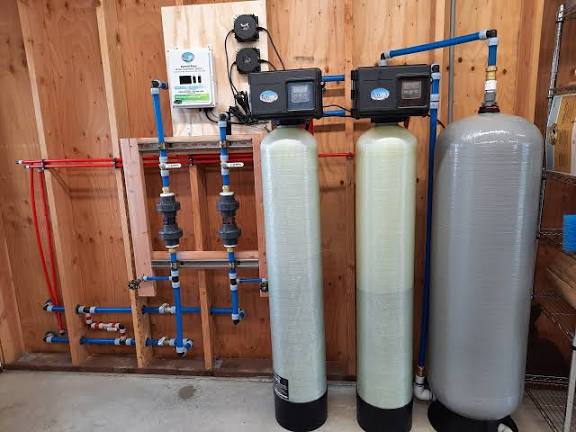
Choosing professional water filtration installation can help ensure that equipment is correctly positioned, appropriately connected, and configured according to manufacturer requirements.
An installer should also consider water pressure, drainage arrangements, backflow prevention, and accessibility for future servicing.
Even high-quality equipment may perform poorly if it’s installed incorrectly or operated outside its intended conditions.
Small installation errors can lead to leaks, restricted water flow, or inconsistent treatment performance.
Having everything properly assessed and tested during installation can save homeowners and business owners from unnecessary complications later.
Different Properties Need Different Installation Approaches
A family home and a busy commercial kitchen might experience similar water quality concerns. However, their daily water requirements can be worlds apart.
An effective residential and commercial water treatment setup must account for consumption patterns, peak demand, equipment capacity, and the specific purposes for which water is used.
Residential installations often focus on drinking water quality, appliance protection, and reducing household cleaning frustrations.
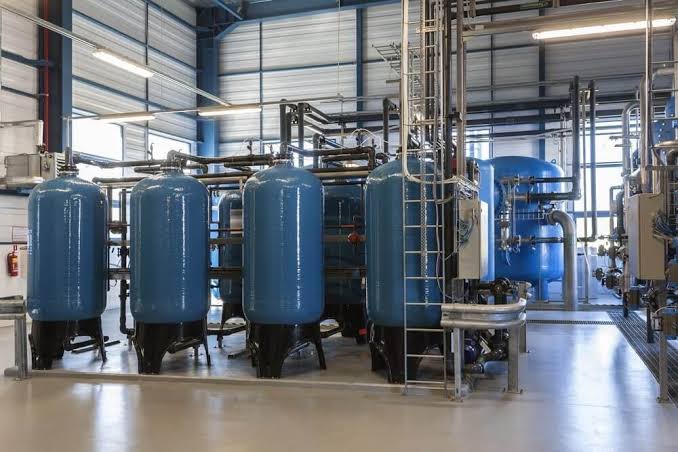
Commercial properties may require larger systems capable of supporting continuous operations, specialized machinery, or considerable water demand during busy periods.
Consider a café where several coffee machines operate throughout the morning rush. An undersized filtration unit could interfere with normal operations.
Proper planning ensures equipment can accommodate these demands without introducing unnecessary expenses or operational difficulties.
Finding the Right Location for Your Equipment
Location is one of those installation details that’s easy to underestimate.
Whole-property treatment equipment is generally positioned near the incoming water supply, while dedicated drinking water filtration units are commonly installed beneath kitchen sinks.
However, available space isn’t the only consideration.
Equipment may require suitable drainage, electrical connections, protection from freezing temperatures, and adequate clearance for maintenance.
Imagine discovering that replacing a filter cartridge requires moving several heavy appliances because insufficient servicing space was available during installation.
That’s hardly convenient.
Discuss equipment placement beforehand and consider how easily you’ll be able to perform routine maintenance.
A thoughtfully selected installation location can make ownership considerably easier over the long term.
What Happens After the Equipment Is Installed?
Once everything has been connected, the installation process isn’t necessarily finished.
New treatment equipment may require flushing, configuration, and operational checks before normal use begins.
The installer should inspect connections for leaks, confirm suitable water flow, and explain how the system operates.
Depending on the equipment and treatment objectives, follow-up water testing may also be appropriate.
Take this opportunity to ask about maintenance schedules, replacement filters, operating settings, and warranty conditions. Related context: Better Water at Home Starts With the Right System and a Little Expert Advice.
Understanding your new equipment from the beginning can prevent unnecessary confusion when routine servicing becomes necessary.
It’s much easier to learn how everything works while a knowledgeable installer is available to explain it.
Budgeting for Installation and Future Maintenance
The initial equipment price doesn’t always reflect the total cost of improving your water.
Installation expenses, plumbing modifications, replacement cartridges, regeneration supplies, and periodic servicing can all influence long-term ownership costs.
Before committing to a particular system, request a clear estimate and discuss anticipated maintenance requirements.
For commercial installations, consider whether servicing could interrupt normal business operations.
Sometimes, slightly more expensive equipment may offer practical advantages through easier maintenance or better suitability for your property’s water consumption.
The goal is finding dependable treatment that remains affordable to operate, not simply securing the lowest purchase price.
Enjoying the Benefits of a Well-Planned Installation
Improving water quality is an investment in the everyday activities that keep homes and businesses running.
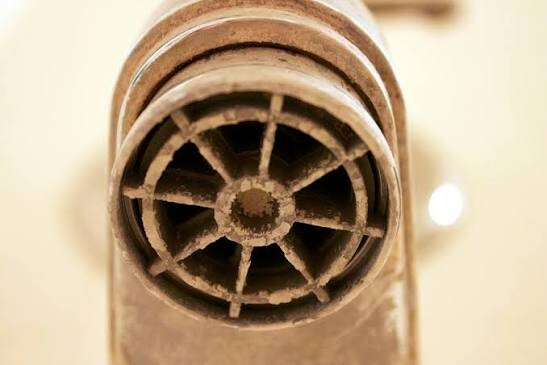
From preparing a morning cup of coffee to protecting valuable equipment from mineral accumulation, suitable treatment can make a meaningful difference.
Start with reliable testing, choose equipment carefully, and give proper installation the attention it deserves.
There’s no need to rush through important decisions simply because you’re eager to see results.
When your treatment equipment is correctly selected, professionally installed, and regularly maintained, it can quietly support your daily routine for years.
And that’s really what a successful water treatment project should accomplish: better water, fewer avoidable problems, and a system that works without demanding constant attention.