Owning a private well offers a sense of independence that many homeowners appreciate. There’s something rewarding about having your own water supply, especially when living outside the busier parts of town. But when that water starts leaving orange stains in the bathtub, developing an unpleasant smell, or carrying noticeable particles, the experience becomes a little less enjoyable.
For homeowners exploring private well water treatment options, the first step isn’t necessarily buying new equipment. It’s understanding what makes their water different and identifying which concerns genuinely require attention.
Across Pekin and surrounding Central Illinois communities, groundwater quality can vary considerably between properties. Finding a dependable treatment approach means looking at your individual circumstances rather than expecting one solution to work everywhere.
Understanding What Happens Beneath the Surface
Groundwater travels through underground layers of soil, sand, and rock, collecting naturally occurring minerals along the way. Iron, manganese, calcium, and magnesium can all influence the characteristics of water entering your home.
Environmental conditions and nearby land use may also affect groundwater quality.
What’s particularly interesting is that neighboring properties can experience entirely different water problems. One homeowner might complain about unpleasant odors, while another struggles with excessive hardness.
This variation makes water testing particularly valuable.
Rather than judging water quality by appearance alone, appropriate laboratory testing can identify substances that might otherwise remain unnoticed.
After all, clear water doesn’t necessarily tell the whole story.
Finding a Balance Between Filtration and Conditioning
Not every groundwater problem requires the same treatment method. Suspended particles, dissolved minerals, and microorganisms behave differently and need appropriate technologies to address them.
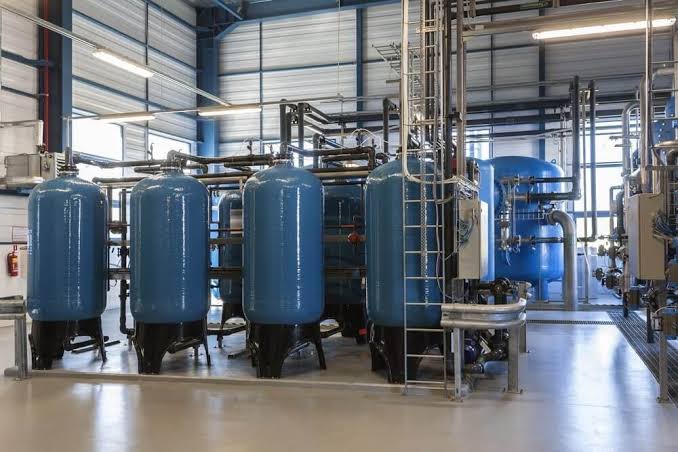
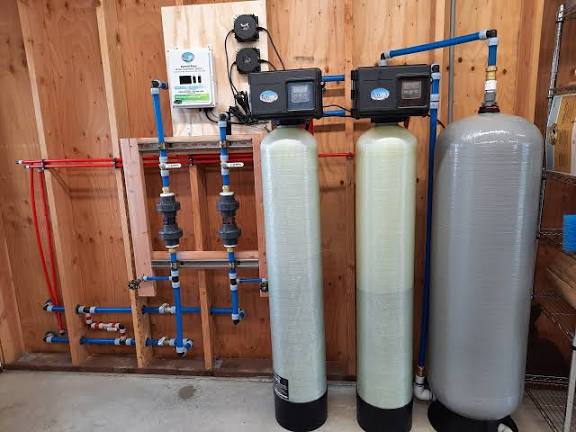
A carefully planned approach to well water filtration and conditioning can help homeowners tackle several identified concerns through complementary treatment methods.
Sediment filters capture suspended materials such as sand and silt. Conventional water softeners reduce dissolved calcium and magnesium, helping limit new mineral scale formation.
Specialized filtration media may help address excessive iron, manganese, or sulfur-related odors under suitable operating conditions.
If microbial contamination is present, appropriate disinfection and investigation of the well itself may also be necessary.
The idea isn’t to install as much equipment as possible. It’s to ensure every component performs a useful function within the overall treatment arrangement.
When Professional Experience Becomes Particularly Valuable
Sometimes, identifying the source of a water quality problem isn’t as straightforward as it seems.
An unpleasant odor might originate inside the water heater rather than the groundwater itself. Similarly, reddish particles could come from dissolved iron that has oxidized or corrosion within household plumbing.
Working with experienced well water treatment services can help homeowners distinguish between these possibilities, interpret testing results, and select equipment that addresses the underlying problem.
A knowledgeable treatment specialist should also consider household water demand, well pump capacity, plumbing arrangements, and maintenance requirements.
Don’t hesitate to ask why particular equipment is recommended. Understanding the reasoning behind a treatment plan can help you avoid unnecessary purchases and make more confident decisions.
Recognizing Everyday Signs of Water Quality Problems
Your home often provides useful clues about the condition of your well water.
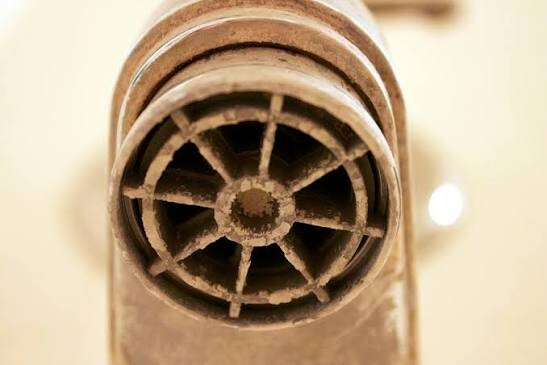
Chalky deposits around faucets may suggest hardness. Orange or brown staining could indicate iron, while an unmistakable rotten-egg smell may be associated with hydrogen sulfide.
Perhaps you’ve also noticed grit collecting inside faucet aerators or discoloration appearing on freshly washed clothing.
These observations are worth recording, particularly if they occur suddenly or become more noticeable over time. Related context: Better Water Begins at the Main Supply: Understanding Point-of-Entry Filtration for Your Home.
However, symptoms alone cannot reliably identify every water quality concern.
Bacteria, nitrate, and certain chemical contaminants may be present without affecting taste, smell, or appearance.
Regular laboratory testing remains essential, even when your water seems perfectly normal.
Protecting Your Water Supply Through Seasonal Changes
Central Illinois experiences changing weather conditions throughout the year, and some wells may be affected by heavy rainfall, flooding, or changes in surrounding groundwater conditions.
Following significant flooding or well repairs, additional testing may be necessary.
It’s also sensible to periodically inspect the visible condition of the well cap and surrounding area. Damaged components or poor drainage around the well deserve professional attention.
If harmful contamination is suspected or confirmed, use a verified safe alternative for drinking and cooking until appropriate corrective measures and testing confirm that the issue has been addressed.
Taking a proactive approach can help protect the resource your household depends on every day.
Thinking About the Long-Term Cost of Treatment
Installing filtration equipment represents an investment, but the initial purchase price is only part of the story.
Replacement cartridges, regenerating salt, treatment media, electricity, and occasional professional servicing can all contribute to operating expenses.
Before purchasing a system, ask about maintenance schedules and replacement component availability.
Consider how easily the equipment can be accessed for routine servicing. Something as simple as leaving adequate space around a filtration tank can make future maintenance considerably easier.
Keeping a record of laboratory findings and servicing dates also helps you monitor treatment performance over time.
A dependable system should fit comfortably into your household budget and daily routine.
Enjoying the Benefits of a Well-Maintained Water Supply
For homeowners throughout Pekin and Central Illinois, looking after a private well doesn’t need to become an overwhelming responsibility.
Begin with reliable testing, choose equipment that addresses actual water quality concerns, and establish a maintenance routine you can realistically follow.
The improvements may become noticeable through cleaner-looking fixtures, fewer unpleasant odors, and less frustration with everyday cleaning tasks.
More importantly, regular testing and suitable treatment provide a clearer understanding of the water your family uses.
Your well supports countless ordinary moments, from preparing breakfast to washing clothes after a long day. Giving it consistent attention means protecting something genuinely valuable.
Better water begins with understanding its source, respecting its unique characteristics, and making thoughtful decisions about how to care for it.